Electric Current Stymies Tall Fescue Seedheads
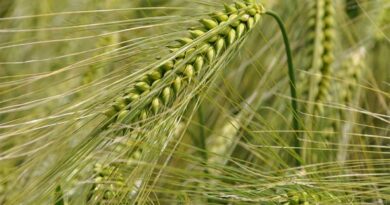
19 December 2025, Colorado: Recently published research in the journal Weed Technology shows that two electrical control treatments in pastures could substantially reduce tall fescue seedhead production without significantly diminishing forage yield. Cattle producers commonly rely on tall fescue as a base forage in east-central and southeastern United States regions, which they typically supplement with legumes like alfalfa and white clover. However, tall fescue seedheads often contain toxin-producing fungi that can pose serious health threats to cattle that graze them.
“Our study showed that pastures with two electrocution treatments spaced two weeks apart could substantially reduce tall fescue seedheads in pastures without significantly reducing tall fescue yield,” says Kevin Bradley, Ph.D., Weed Science Society of America (WSSA) member scientist; University of Missouri, Weed Science Extension Specialist; and the study’s corresponding author. “The research also showed that electrocution can be used as a viable alternative to a broadcast herbicide treatment for the control of several weeds that commonly occur in mixed tall fescue and legume pastures without significantly impacting forage yield or causing legume injury.”
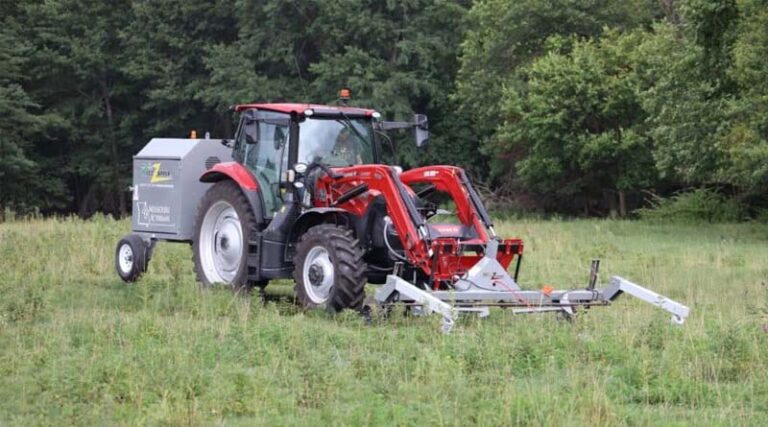
Researchers conducted the study in six separate Missouri pastures during 2023 and 2024 using a Weed Zapper™ 6R30 electric weed control unit, with a 110,000-watt power takeoff (PTO)-driven generator connected to a 125-horsepower tractor. When turned on and the PTO engaged, the unit’s copper boom sends an electric current through any contacted plant.
“Although two electrocution passes spaced two weeks apart resulted in significant visual signs of tall fescue injury, this did not translate into statistical differences in tall fescue forage yield,” reports Bradley. “Total yields were similar between the nontreated control and all single-pass or two-pass electrocution treatments.”
In addition to the health threat from cattle from ingesting tall fescue seedheads, another costly threat is any troublesome weed that can significantly reduce forage yield and/or quality. For example, bull thistle and musk thistle have been shown to reduce forage yield by 42 and 72 percent, respectively.
“Although some herbicides have proven effective in controlling certain broadleaf weeds in tall fescue pastures, the available choices are few that would not also eliminate most legumes,” points out Bradley. “That’s why the results from this research are so significant. Electrocution adds a helpful supplement or alternative to herbicide treatments for problem weeds in pastures, along with reducing tall fescue seedhead development, without harming forage quality or yield.”
Overall, the study concluded that “electrocution is a viable alternative to herbicide treatment for the control of several weeds that commonly occur in mixed tall fescue and legume pastures in Missouri,” notes Bradley. “The best electrocution treatments resulted in at least 77% control of common ragweed, ironweed, and common cocklebur over multiple sites, and blackberry, coralberry, and tall goldenrod over one location. Weed control with electrocution was typically highest when it was utilized over two passes rather than a single pass. Additionally, electrocution can minimize forage injury in mixed tall fescue/legume pastures by allowing selective control of all species present above the forage canopy.”
📢 If You’re in Agriculture, Make Sure the Right People Hear Your Story.
From product launches to strategic announcements, Global Agriculture offers unmatched visibility across international agri-business markets. Connect with us at pr@global-agriculture.com to explore editorial and advertising opportunities that reach the right audience, worldwide.