IYRP 2026: Young Pastoralists Lead The Charge Toward A Prosperous Future For Rangelands
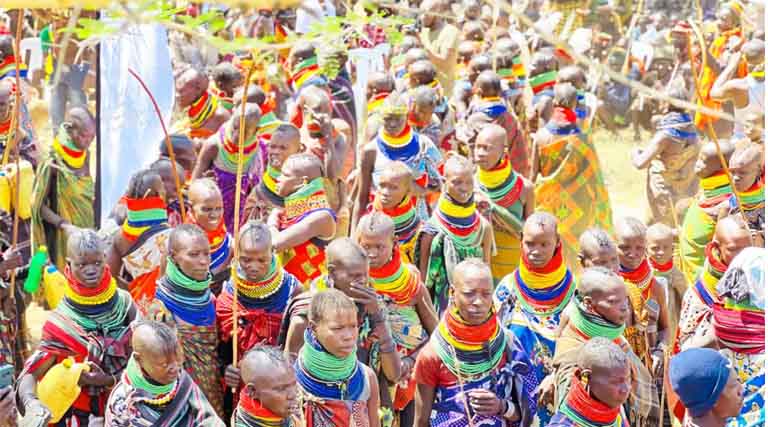
17 February 2026, Uganda: More than 150 young pastoralists from Uganda, Kenya, Tanzania, Ethiopia, and South Sudan recently pledged to lead rangelands and pastoralism into a peaceful and prosperous future. Meeting in November 2025, the young pastoralists passed the “Kobebe Declaration”, calling for full implementation of the IGAD Transhumance Protocol, a regional policy framework that provides for pastoralists’ free and orderly movement across borders. The Transhumance Protocol and other cross-border mobility agreements critically underpin the livelihoods of pastoralist and agro-pastoralist communities across the Karamoja Cluster, a 150,000km2 semi-arid, cross-border region spanning the boundaries of Ethiopia, Kenya, South Sudan, and Uganda. While reading the declaration, Neema Seki, the Pastoralists Women Council member from Tanzania, emphasized that pastoralism is already contributing to the climate-resilient future of Africa, noting that African rangelands hold some of the world’s largest carbon stocks. She called for full recognition of communal land tenure systems and urged stronger protection against land grabbing, unsustainable agricultural expansion, industrial plantations, and mining concessions in rangelands.
Kobebe Dam, in the scenic plains of Moroto, Uganda, was the symbolic backdrop for the drafting of the declaration, celebrating a history of shared resources and peaceful co-existence between pastoralist communities from Uganda and Kenya. The gathering was organized by the African Youth Pastoralist Initiative (AYPI), a youth-led network that empowers young pastoralists, advocates for their interests in policy dialogues, and promotes climate-smart agriculture and sustainable livelihoods across Africa. Over two days, the youth held sessions and discussions on how resource-sharing systems underpin mobility, peace, and resilience among pastoralist groups. Land tenure rights, peace and cross-border integration, rangeland restoration, and meaningful youth inclusion in policy processes dominated deliberations as well as the resultant declaration. This youth-led declaration will contribute to regional and global advocacy agenda for International Year of Pastoralists and Rangelands (IYRP) 2026 and beyond.
“Our Kobebe Dam declaration carried the message that pastoralist futures must be built and shaped by people closest to the land and that as pastoralist youth, our voices must influence decisions that define the rangelands we depend on,” said Jacob Lekaitogo, president of the Kenya chapter of AYPI.
The International Livestock Research Institute (ILRI) is supporting establishment and strengthening of the AYPI reflecting its prioritization of youth in pastoralism. According to Fiona Flintan, a senior scientist at ILRI, rangelands play an essential role in addressing challenges related to food security, land degradation, drought, biodiversity loss and climate change, and the youth are critical in this transformative journey.
“Pastoralist youth typically implement rotational grazing and manage herd mobility to support biodiversity on behalf of the community. Beyond traditional herding, young pastoralists are involved in agribusiness, fodder production, value-added dairy production, and eco-tourism, creating new income streams that reduce pressure on the rangelands,” Flintan says.
As the gathering concluded, one message stood out: East Africa’s pastoralist youth are ready to take their place at the forefront of regional and global dialogues. The Moroto gathering was a declaration of presence, identity, and leadership. As the 2026 IYRP unfolds, the outcomes of this gathering will continue to influence planning, advocacy, and action.
Also Read: France Becomes First Market to Approve Syngenta’s X-Terra Hybrid Wheat
Global Agriculture is an independent international media platform covering agri-business, policy, technology, and sustainability. For editorial collaborations, thought leadership, and strategic communications, write to pr@global-agriculture.com