Kenyan Women’s Agro-Processing Gets a Boost Through ICRISAT Training and Energy-Efficient Ovens
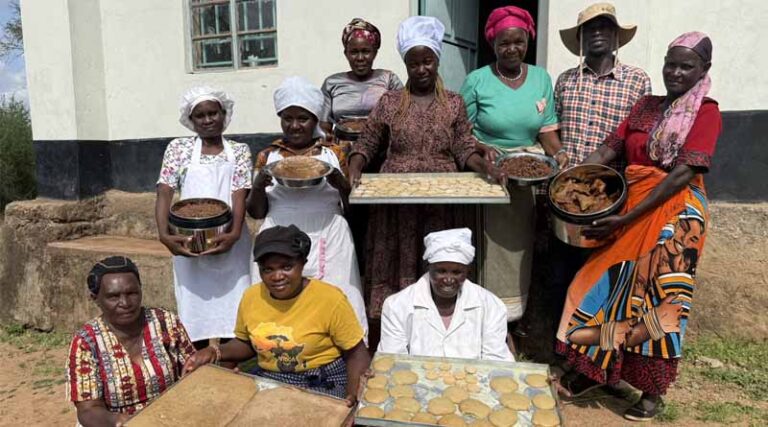
12 December 2025, Kenya: The International Crops Research Institute for the Semi-Arid Tropics (ICRISAT), through the World Bank–funded AICCRA project, has intensified efforts to strengthen climate resilience and improve livelihoods in Kenya’s drylands by delivering practical value-added training and distributing modern, energy-saving ovens to organized women’s groups.
This initiative aims to rapidly increase the adoption of drought-tolerant crops, create new income opportunities for rural women, and enhance household nutrition, particularly for women and children, through more diverse and fortified diets.
Dr Himanshu Pathak, Director General of ICRISAT, underscored the initiative’s importance, noting that as a key partner to government, communities, and development agencies, the Institute is focused on strengthening climate resilience in the drylands with solutions that are practical, scalable, and centered on the people who sustain local food systems.
“By equipping women with skills in value addition and access to energy-efficient technologies, we are supporting real economic opportunity while improving nutrition for households across Kenya’s drylands.
“Under AICCRA, this work is helping communities adapt today while building a more secure and resilient food future for tomorrow,” said Dr Pathak.
Value addition lies at the heart of this initiative. Through the training, women learned new techniques for processing traditional crops such as sorghum, millets, pigeon pea, and groundnuts, turning them into nutritious flours, snacks, baked foods, and market-ready products.
The introduction of energy-saving ovens will reduce fuel consumption, cut household costs, and make small agro-processing enterprises more viable.
With better equipment and improved skills, women’s groups are expected to earn higher incomes, build stronger community-based enterprises, and supply households with healthier food options.
This work comes at a time when drought-tolerant crops are gaining importance across Africa’s drylands.
Their rich protein, fibre, and micronutrient content make these crops essential in tackling hunger, malnutrition, and the growing threat of climate-driven crop failures.
Reflecting on the broader vision of ICRISAT’s work in Africa, Dr. Rebbie Harawa, Global Research Program Director (RFFS) & Director – Africa, said:
“Our mission is to strengthen African food systems through science, innovation, and inclusive partnerships.
“With AICCRA, we are closing the gap between research and real-life impac, ensuring that climate-smart technologies reach those who need them most, especially women and youth” said Dr Harawa.
From Better Seeds to Better Soils
Beyond value addition, AICCRA integrates several other components that collectively enhance resilience and productivity in dryland farming systems.
The project’s seed systems component ensures the availability of high-quality certified seeds of drought-tolerant crops through partnerships with seed companies, community seed banks, farmer producer groups, and national partners.
By improving the last-mile distribution of seeds, more farmers can access varieties that thrive in harsh climatic conditions.
The conservation agriculture and climate-smart practices component promotes sustainable land management techniques, including minimum tillage, crop rotation, mulching, and integrated soil fertility management.
These practices improve soil health, increase water use efficiency, and stabilize yields, even in seasons of unpredictable rainfall.
Through on-farm demonstrations and training, farmers learn how to transition from traditional methods to more resilient farming systems.
AICCRA also strengthens climate information services, ensuring that farmers receive timely advisories on weather, pests, diseases, and agronomic decisions.
By combining scientific data with local knowledge, the project helps communities make informed decisions that reduce risk and increase productivity.
The significance of these interventions is evident in the enthusiasm of the women beneficiaries, who now see new possibilities in entrepreneurship, food processing, and community nutrition.
Dr. Henry Ojulong, Project Lead at ICRISAT, said AICCRA’s success is measured by the smiles and confidence we see in farmers who adopt climate-smart innovations.
“By equipping women with energy-saving technologies and value addition skills, we are investing in the next generation of rural entrepreneurs and nutrition champions” said Dr Ojulong.
As climate challenges intensify, strengthening the role of women in food systems is critical. Through AICCRA, ICRISAT is helping communities apply proven scientific solutions that improve livelihoods and build a more resilient, food-secure future for Africa.
Also Read: DCM Shriram and Bayer Partner to Expand Work Across Agri-Inputs and Value Chains
📢 If You’re in Agriculture, Make Sure the Right People Hear Your Story.
From product launches to strategic announcements, Global Agriculture offers unmatched visibility across international agri-business markets. Connect with us at pr@global-agriculture.com to explore editorial and advertising opportunities that reach the right audience, worldwide.