New Genomic Discovery from ICRISAT Could Save Farmers Millions by Preventing Groundnut Sprouting Before Harvest
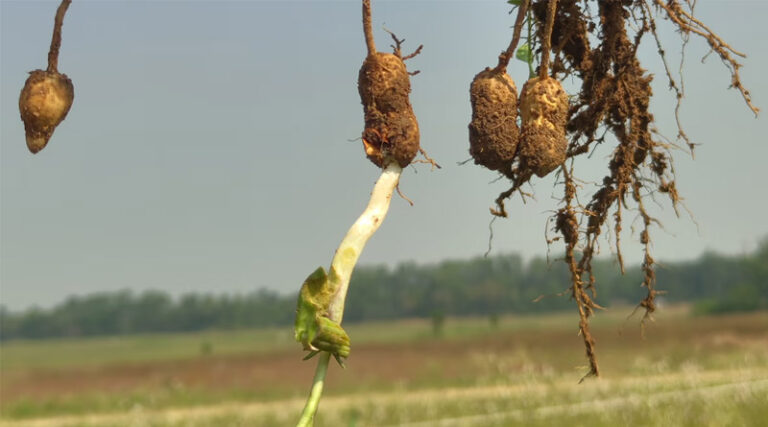
02 December 2025, Hyderabad: Unpredictable rains pose a serious threat to groundnut farmers, with pre-harvest sprouting causing significant losses. Spanish groundnut varieties, representing nearly 60% of global production, are particularly vulnerable. Premature germination triggered by early rains can reduce yields by 10–20%, and up to 50% in severe cases. This makes understanding the genetics behind varieties that resist sprouting under high-moisture conditions especially critical.
In this study, the International Crops Research Institute for the Semi-Arid Tropics (ICRISAT) and its partners show how breeders can develop groundnut varieties with fresh seed dormancy—a natural “built-in wait time” that prevents pre-harvest sprouting and protects both yield and quality. This trait offers a powerful safeguard against the severe financial losses farmers face when early rains trigger sprouting.
Speaking on the discovery, Dr Himanshu Pathak, Director General of ICRISAT, said that as climate uncertainties continue to challenge farming systems, genomic insights into Fresh Seed Dormancy represent a transformative opportunity to support millions of smallholder farmers across the Global South.
ICRISAT’s recent strides in understanding the genomics behind heat tolerance, disease resistance and blanchability in groundnut are shaping breeding strategies both within the Institute and across the wider research community. The Institute’s groundnut breeding program continues to screen its global germplasm collection for priority traits and to incorporate gene-level insights into ongoing breeding efforts, ensuring the development of future-ready varieties.
“I encourage groundnut breeders everywhere to apply these findings in creating the next generation of resilient groundnut varieties”, said Dr Pathak.
Ideally, groundnut crops mature in 90–120 days after sowing, and farmers rely on a short dry window to harvest and dry the pods. This final stage is highly vulnerable; even a brief spell of rain during maturity or drying can trigger pre-harvest sprouting, resulting in significant yield, quality, and income losses.
By evaluating 184 groundnut genotypes from the ICRISAT Genebank over two seasons, the study revealed a wide range of natural variation, with some varieties remaining dormant for over 30 days without sprouting, while others sprouted within a week.
The team selected the varieties with 10–21 days of dormancy, an ideal window to balance sprouting protection with timely planting.
The team further screened the genetic make-up of these select varieties and identified 9 high-confidence candidate genes associated with fresh seed dormancy and pre-harvest sprouting resistance, providing valuable insights for breeding improved varieties.
Dr Stanford Blade, Deputy Director General – Research and Innovation at ICRISAT, said groundnut is an economically significant crop in semi-arid regions and a cornerstone of global oilseed production.”
“Optimizing seed dormancy is not just a benefit for smallholder farmers; it has transformative potential for the global economy by sustaining quality production and reducing losses despite changing weather,” said Dr Blade
The research lays the groundwork for developing groundnut varieties with 2–3 weeks of seed dormancy that provide farmers with a vital buffer to harvest safely.
“While our research focuses on groundnuts, fresh seed dormancy is a crucial trait in multiple crops, particularly in the face of increasingly unpredictable agricultural seasons.
“Genomic-level mitigation offers the most cost-effective solution, and we hope our findings will catalyze further research in this critical area,” said Dr Manish Pandey, Principal Scientist – Genomics & Pre-breeding, ICRISAT.
Also Read: XAG’s New R Series Rover Powers Smart Automation in Specialty Crop Farming
📢 If You’re in Agriculture, Make Sure the Right People Hear Your Story.
From product launches to strategic announcements, Global Agriculture offers unmatched visibility across international agri-business markets. Connect with us at pr@global-agriculture.com to explore editorial and advertising opportunities that reach the right audience, worldwide.