
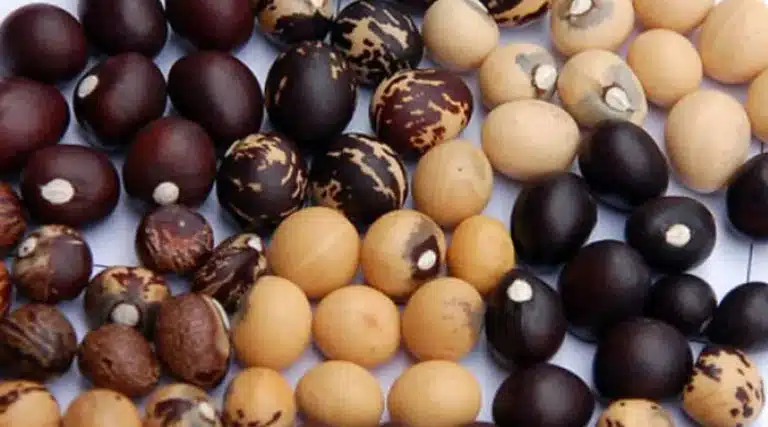
One Crop, Three Identities: What Bambara Groundnut Teaches Us About The Future of Pulses
11 February 2026, Ghana: On World Pulses Day 2026, the theme chosen by the Food and Agriculture Organization, “Pulses of the world: from modesty to excellence,” could not be more timely. It captures a quiet transformation already unfolding across kitchens, streets, and food labs, especially in low- and middle-income countries where pulses have long anchored diets, livelihoods, and resilience.
I have tasted this transformation in three places, through one crop. In Accra, Bambara groundnut appeared on a buffet, cooked as a rich stew and served with banku. It was familiar, comforting, and deeply rooted in place. In Jigawa, northern Nigeria, the same Bambara was roasted and sold as a street snack, eaten on the go, crunchy, affordable, and shared among travelers and passers-by. In my laboratory, the team is formulating Bambara milk that can be positioned alongside almond and oat—modern, aspirational, and unmistakably global.
One crop. Three formats. Three identities. This is what “from modesty to excellence” looks like in practice. Yet despite this versatility, a persistent challenge remains. Many young consumers increasingly value meat over pulses. This preference is not simply about nutrition or taste. It is also about status, convenience, and what feels modern. If pulses are to compete in this landscape, especially among urban youth, we need to influence demand differently.
Drawing on my experience working across food science, nutrition, and food systems in more than 30 countries in Africa, three influences matter most.
Also Read: Indian Agricultural Products Will Get Zero-tariff Market Access In The US
Global Agriculture is an independent international media platform covering agri-business, policy, technology, and sustainability. For editorial collaborations, thought leadership, and strategic communications, write to pr@global-agriculture.com


