Oregon Regulators Urged to Protect Waterways from Factory Farm Pollution
23 January 2026, Salem: To protect Oregonians from factory farm pollution, Center for Food Safety (CFS) submitted comments to the Oregon Department of Environmental Quality and the Oregon Department of Agriculture yesterday arguing for additional monitoring and stronger safeguards against water pollution from concentrated animal feeding operations (CAFOs).
The comments were submitted in response to the draft National Pollutant Discharge Elimination System (NPDES) permit which state regulators are currently finalizing. This general permit sets out requirements for factory farms to limit water pollution for the next five years and will apply to hundreds of factory farms in Oregon. The draft permit does not contain adequate monitoring or mitigation measures to protect Oregon’s waterways and impacted communities from factory farm pollution. CFS’s comments lay out necessary additions to the draft to ensure that the final permit offers real protections to people and the environment, and demands true accountability from operations in violation.
“Oregon’s water quality protections have historically been lax when it comes to regulating animal factory water pollution,” said Suzannah Smith, attorney at Center for Food Safety. “The contents of the final NPDES permit will determine whether Oregon will truly protect our communities and our rivers, streams, and groundwater from factory farm pollution, or continue with business as usual.”
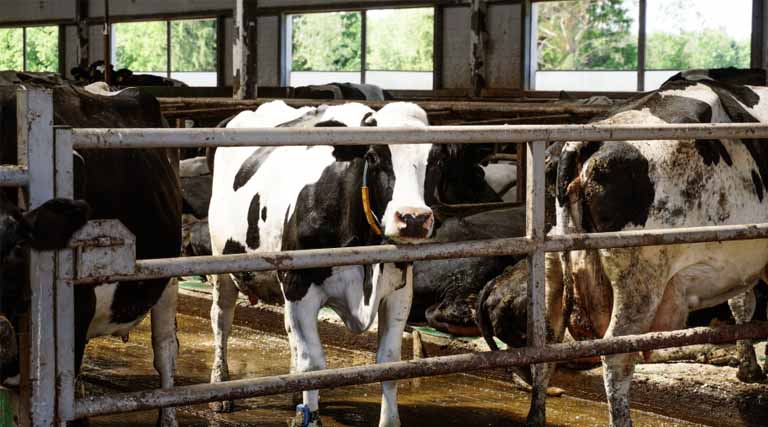
CAFOs generate massive amounts of waste, including manure mixed with heavy metals, pharmaceuticals, and other contaminants. Many operations store this waste in open cesspools called “lagoons” and spray it onto fields. Without proper safeguards, this pollution threatens state waterways and the communities that use them.
To truly protect Oregon’s waterways, CFS says, the final permit must require monitoring at all discharge points to verify CAFOs are meeting water quality standards; mandate proven and practicable methods of preventing pollution by requiring all manure lagoons to use double synthetic liners with leak detection technology and depth markers to prevent groundwater contamination; address factory farm gas operations by excluding CAFOs using anaerobic digestion for “renewable” fuel production, which creates additional water quality risks unaddressed by the permit; and protect disproportionally impacted communities by fully considering the direct and cumulative impacts of CAFOs on the people who bear the greatest burden.
CAFOs are one of the driving factors of water pollution in the state. Oregon has 122,800 miles of impaired rivers and streams and three groundwater management areas that were created because of dangerous levels of contamination in the state’s groundwater. CFS has worked to protect Oregon’s environment and communities for decades, and yesterday’s comments seek to ensure that this general permit follows state and federal law and adequately protects state waterways for all Oregonians.
Also Read: John Deere Enters a New Era of Excavators
Global Agriculture is an independent international media platform covering agri-business, policy, technology, and sustainability. For editorial collaborations, thought leadership, and strategic communications, write to pr@global-agriculture.com