Water Quality For Livestock In Extreme Heatwave Conditions
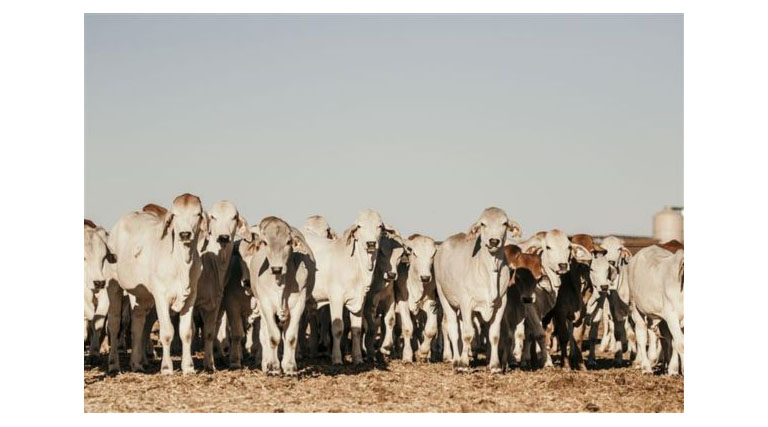
29 January 2026, AU: Most stock water from dams and this can be an issue in these hot weather events. It is important to monitor your stock to ensure they have good quality water. These extreme heat wave events can cause dams to “turn over”.
When a dam “turns over” during hot weather, the cooler, oxygen-deprived water from the bottom mixes with the warmer surface water, causing a rapid decline in water quality. This process, combined with high temperatures, often leads to a sudden, foul-smelling, and sometimes toxic, body of water that livestock will refuse to drink.
What Happens to the Water and Livestock:
- Unpalatability and Odour: The mixing brings up decomposing organic matter, causing the water to become cloudy and emit a foul, “rotten egg” smell (hydrogen sulphide gas). Livestock will avoid drinking this water, even if they are thirsty.
- Reduced Oxygen and Toxicity: The turnover leads to anaerobic (no oxygen) conditions, which can kill fish and other aquatic life. This, combined with potential blue-green algae blooms triggered by the heat and nutrients, can make the water toxic.
- Reduced Feed Intake: Because water consumption is highly correlated to feed intake, livestock that refuse to drink due to water quality will also stop eating, leading to rapid weight loss and poor health condition.
Ensure livestock have access to clean, fresh water immediately, such as a bore, tank, or trough, to prevent severe dehydration. Aerating the water is the first step to improve quality. This can be done by pumping water from the dam, spraying it into the air, and letting it fall back to increase oxygen, or by using a floating aerator.
If possible, stop livestock from walking directly into the dam to drink. Pump the water to a trough, which prevents them from fouling the water with manure and makes it more palatable. If the water is dirty or muddy, adding a flocculent (like aluminium sulphate or gypsum) can make suspended particles settle out.
If you suspect toxic blue-green algae, immediately isolate all stock from the dam and contact a veterinarian.
Disclaimer – important, please read:
Elders provides recommendations to the best of its knowledge and based on assumptions and information which it understands to be up to date, complete and accurate. If you are aware of any error or inaccuracy with the information on which this recommendation is based, you must immediately bring this to Elders’ attention. This recommendation is provided for your use only, and not that of any other third party. In some circumstances, the information Elders provide may be in summary form or derived from information sourced from third parties. You should always carefully evaluate all available information and consult Elders or another advisor further before you commit to any course of action or rely on any recommendation. Additionally, Elders expects that you will use your knowledge, experience and best judgement in relying on any recommendation and determining whether the recommendation is, and continues to be, appropriate. Elders do not accept liability or responsibility for any indirect, consequential or economic loss or damage of any kind arising from your acceptance or reliance on this recommendation. To the fullest extent permitted by law, all guarantees, warranties or implied terms and conditions are expressly excluded and Elders’ liability with respect to any services provided is limited to re-supply of the services, or the cost of having the services re-supplied. Elders may from time to time recommend products or services for which it may receive a financial incentive (rebate, commission, benefit, etc) from a supplier/manufacturer directly related to your purchase or use of that product or service.
Also Read: ISARC Director Awarded with Uttar Pradesh’s Highest Civilian Award
Global Agriculture is an independent international media platform covering agri-business, policy, technology, and sustainability. For editorial collaborations, thought leadership, and strategic communications, write to pr@global-agriculture.com