Mangoes in Winter? Bengaluru Markets See Early Arrivals, but Buyers Hold Back
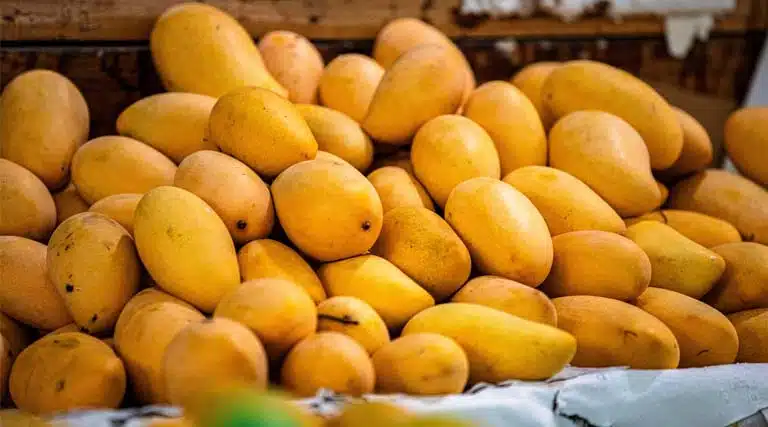
12 January 2026, New Delhi: Mangoes, typically associated with India’s summer months, have begun appearing unusually early in fruit markets across Bengaluru. Traders say limited quantities started reaching markets in late December, well ahead of the usual March launch of the mango season.
Vendors report that the first arrivals include popular varieties such as Neelam and Banganapalli. These fruits are being sourced mainly from select pockets of Tamil Nadu and Andhra Pradesh, where growers are increasingly adopting off-season production techniques to bring mangoes to market outside the traditional calendar.
With supplies still thin, prices remain elevated. Neelam mangoes are currently retailing at about Rs 160 per kilogram (around US$1.93), while Banganapalli is selling close to Rs 150 per kilogram (around US$1.81). Traders point out that these rates are significantly higher than peak-season prices, when volumes are larger and supply chains are more active.
Despite the visual appeal of mangoes in winter, actual sales have been muted. Market sellers say many consumers stop to look and enquire, but fewer are willing to buy. Concerns around off-season fruit—particularly fears of artificial ripening and questions about taste—are holding buyers back. For many shoppers, mangoes are still firmly linked to summer, both in flavour expectations and pricing comfort.
Agriculture experts explain that the early harvest is the result of controlled orchard practices rather than post-harvest chemical ripening. In parts of southern India, farmers induce flowering outside the normal cycle by applying approved plant growth regulators at specific growth stages. When used as recommended, these inputs help shift the harvest window to October–December and are not known to leave harmful residues in fruit or soil.
Specialists also stress that off-season flowering should not be confused with artificial ripening, which involves banned chemicals and is illegal. However, the distinction is not always clear to consumers, contributing to hesitation at the retail level.
For now, traders in Bengaluru are keeping volumes small to reduce risk, treating winter mangoes as a niche offering rather than a mainstream product. Unless prices soften or consumer confidence improves through better awareness, demand is expected to stay limited. As things stand, the heart of India’s mango consumption is still set to beat strongest in the summer months.
Also Read: Brazil Approves 912 Pesticide Registrations in 2025
Global Agriculture is an independent international media platform covering agri-business, policy, technology, and sustainability. For editorial collaborations, thought leadership, and strategic communications, write to pr@global-agriculture.com