Grower Feedback Drives Breeding Decisions
10 January 2026, US: Behind every vegetable found in grocery stores, farmers markets, or restaurant meals are hundreds of decisions, challenges, and steps to bring that healthy food to consumers. Growers consider what it takes to create stable supplies that are blemish-free, sized correctly, and so much more while growing crops.
At the end of the day, it’s about more than just yield, growers also strive to deliver tasty, high-quality vegetables to consumers. And Syngenta Vegetable Seeds shares that mission. Before a seed is planted in a field or greenhouse, and before a vegetable ever ends up in a grocery store, researchers put grower priorities into action to create the seeds that grow the fruits that eventually fill grocery market shelves.
“We have great science and great scientists, and this gives us greater capabilities in seed testing and development,” said Matthew Johnston, Global Head of Syngenta Vegetable Seeds and Flowers. “Our commitment to providing growers with high-quality, high-value seed persists, because it’s the foundation of the food system.”
Breeding is the First Step to Create High Quality Vegetables
To have the best vegetables in stores, growers must have the best vegetables in fields and greenhouses. That all starts with the seed – more specifically, the genetics. Researchers at Syngenta screen potential products for ideal characteristics and necessary to protect the crop from damaging pests and diseases via naturally occurring resistance.
Because new seeds take time to develop, trial, and launch, scientists look years into the future to develop products that will meet the needs of tomorrow’s growers and consumers. This means predicting emerging diseases, pest pressures, and growing/harvesting techniques.
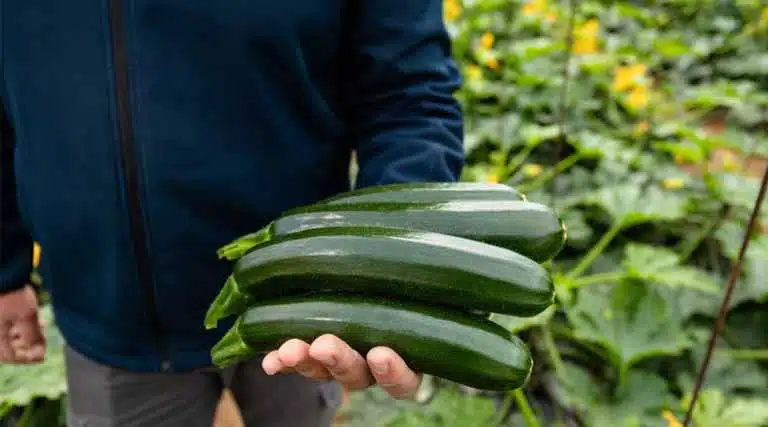
For example, researchers identified that harvest labor represents a significant cost in squash production, up to 60%. Through smart breeding, we have a way to help reduce costs. With an upright, easier-to-harvest structure, our squash varieties help reduce labor by making the crop easier to harvest.
Highly Controlled Processes Protect Grower Investment
As products are researched, tested, selected, and ultimately developed, quality control is paramount at each step. Seed quality is one of the biggest indicators yield potential, so Syngenta Vegetable Seeds seed production facilities use technology to screen out seeds with any potential defects.
Testing is more than just mechanical or physical tests, seed also goes through additional quality checks, including PCR tests, protein sampling, germination, vigor, and molecular testing to ensure that the highest quality seed makes it into the hands of growers.
“At Syngenta we take the responsibility of high-quality seeds very seriously so every farmer can produce a bountiful harvest,” said Laurel Carter, Global Head of Phytosanitary and Seed Movement Compliance at Syngenta. “From germination testing to purity and disease testing we hold ourselves accountable for getting the best seed possible to customers.”
Safe Storage and Logistics
Syngenta Vegetable Seeds are grown around the world, which makes the safe movement of seeds between countries vital. Storage and shipping logistics follow standards set by each country.
“We’re striving for global harmonization at our seed facilities,” Carter said. “This means regardless of where seed is processed, we have the flexibility to move from lab to lab and country to country.”
The harmonized approach for seed production allows Syngenta to meet regulatory requirements for markets around the world, meaning growers worldwide can have access to our upgraded supply chain.
Labs in Syngenta facilities must be kept to high standards required by international organizations. This work helps keep pathogens out of areas of the world where a specific issue might not already be present. It’s vital to the safe movement of seed.
Creating a Healthy and Delicious End Product
Each decision, test and data point ultimately create a high-quality product that will provide growers with seeds that have the best potential to flourish in fields and greenhouses across the world.
Also Read: India’s Pesticides Management Bill, 2025: How It Differs from the Insecticides Act, 1968
Global Agriculture is an independent international media platform covering agri-business, policy, technology, and sustainability. For editorial collaborations, thought leadership, and strategic communications, write to pr@global-agriculture.com