Anti-poverty Programs Can Change How People See The State And Each Other
By Katrina Kosec and Cecilia Hyunjung MoFebruary 25, 2026
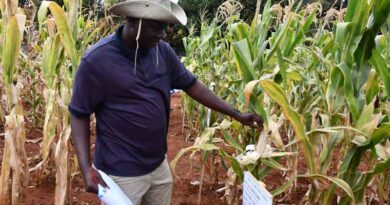
27 February 2026, Africa: When floodwaters washed away Woudou Oumar’s home in northern Cameroon, he and his family lost not only shelter but hope. Then a government-supported cash transfer arrived. “The money transfer was a real boost for me and my family,” he says, explaining how he rebuilt his house, bought seeds for farming, paid for his daughters’ schooling, covered his son’s medical care after the disaster, and became more hopeful.
Stories like Woudou’s highlight how social transfers can shape more than incomes: they anchor people in their communities and influence how they experience and judge governmental support.
Governments and development partners around the world are now pouring unprecedented resources into social protection. From rural Bangladesh to urban Brazil, more than 120 low- and middle-income countries now provide some form of cash transfer to their poorest citizens. These programs have succeeded in reducing poverty in both the short term and long term, improving education outcomes and promoting better health.
But what else are they doing and at what cost, or benefit, to social and political life?
Our new study reveals that social transfers are systematically reshaping how citizens relate to their governments and to one another. We reviewed nearly 90 empirical studies across six continents in a bid to establish causal effects of social transfers on outcomes beyond welfare and livelihoods. We found that these programs influenced how people voted, how much they trusted institutions, whether they participated in civic life, and even how they felt about their neighbors.
Also Read: Cargill Opens Largest Dairy Feed Plant in South Asia in Punjab
Global Agriculture is an independent international media platform covering agri-business, policy, technology, and sustainability. For editorial collaborations, thought leadership, and strategic communications, write to pr@global-agriculture.com