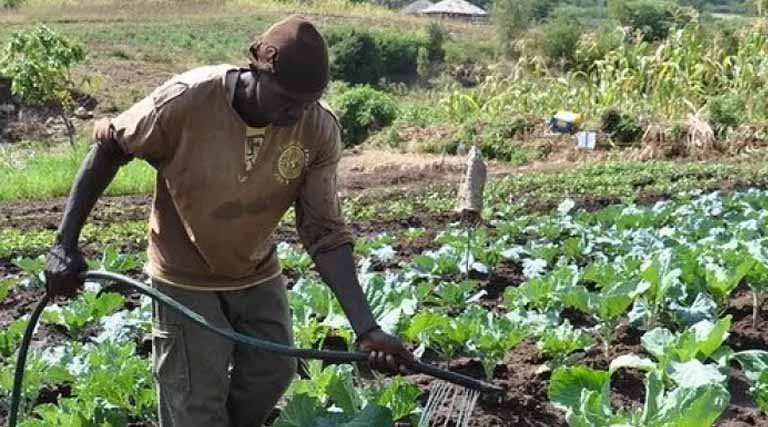
Financial Standards Can Help Foster Green Investment In The Agrifood Transition
03 March 2026, Kenya: Reducing greenhouse gas emissions and climate change impacts is a core element of global agrifood system transformation. Yet, while it represents an important opportunity for capital markets and investors, climate finance focused on agrifood systems has thus far been limited. In 2022, $95 billion of global climate finance funding was dedicated to agrifood industries and practices, with 22% coming from private sources. This represents only 7% of total climate finance and merely 8% of the estimated amount needed by agrifood systems to support transformation and meet annual global climate goals until 2030.
The underinvestment can be explained by two characteristics of the agrifood sector: scale and fragmentation. To achieve broad, systemic change, hundreds of millions of varied production units must be financed—among them the smallholder farmers in low- and middle-income countries. This is a monumental task requiring much greater capital flows.
An additional challenge is the complexity of measurement. The multiplicity and context-specificity of climate transition levers make it difficult to assess the genuine impact of investments.
Also Read: Atish Chandra Assumes Charge as Secretary, Department of Agriculture & Farmers Welfare
Global Agriculture is an independent international media platform covering agri-business, policy, technology, and sustainability. For editorial collaborations, thought leadership, and strategic communications, write to pr@global-agriculture.com