European Apples Found Contaminated with Multiple Pesticide Residues: PAN Europe Study
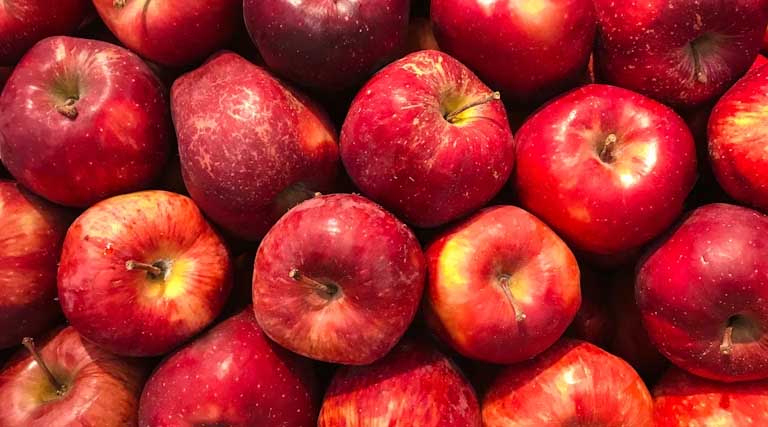
30 January 2026, Belgium: A new survey by Pesticide Action Network (PAN) Europe has revealed widespread contamination of conventional apples sold across Europe with multiple pesticide residues, including PFAS chemicals, neurotoxic substances and other highly hazardous compounds. The findings have raised fresh concerns over food safety, regulatory oversight and long-term health risks linked to dietary exposure to pesticide mixtures.
The study analysed 59 apple samples collected from 13 European countries, including 12 European Union member states and Switzerland. According to PAN Europe, 85 per cent of the tested conventional apples contained residues of more than one pesticide, highlighting what the organisation describes as “nearly systematic contamination” of one of Europe’s most commonly consumed fruits.
Only 7 per cent of the conventional apple samples were found to be residue-free. The report further shows that 64 per cent of the apples contained at least one PFAS pesticide, often referred to as “forever chemicals” due to their persistence in the environment. Additionally, 36 per cent of samples contained neurotoxic pesticides, while 71 per cent contained residues of substances classified by the EU as Candidates for Substitution, the most toxic category of approved pesticides.
PAN Europe noted that if the same apples had been marketed as processed baby food, they would not have met EU safety standards. European regulations for infant and toddler food apply far stricter limits on pesticide residues under a precautionary approach designed to protect early childhood development.
The findings were released at a time when the European Commission is considering regulatory changes under proposed Omnibus legislation, which PAN Europe argues could weaken existing protections for public health and the environment. The proposed reforms include extending pesticide approval periods indefinitely and reducing mandatory re-assessments of pesticide toxicity based on new scientific evidence.
Gergely Simon, campaigner at PAN Europe, said one of the most significant concerns raised by the study is the absence of effective regulation on combined exposure to multiple pesticides. “Eighty-five per cent of the tested apples contained multiple pesticide residues. Although European law foresees the assessment of cocktail effects, the European Food Safety Authority has still not implemented a methodology to regulate them, despite being tasked to do so 20 years ago,” he said.
Simon added that a growing body of scientific research links dietary pesticide exposure to health risks such as infertility and certain cancers. “Citizens are constantly exposed to mixtures of toxic substances through food, air and household dust, yet regulatory assessments largely evaluate chemicals in isolation,” he said.
The report highlights the fungicide fludioxonil as one of the most frequently detected substances, found in nearly 40 per cent of the samples. Fludioxonil is a PFAS pesticide and was classified as an endocrine disruptor by the EU in 2024. According to PAN Europe, it should have been banned under existing legislation, but approval has reportedly been extended due to opposition from some EU member states. The chemical is associated with liver and kidney toxicity in humans and poses serious risks to aquatic ecosystems.
Martin Dermine, Executive Director of PAN Europe, criticised what he described as weak enforcement of existing pesticide regulations. “Several pesticides detected on apples should have been banned long ago if EU and national authorities had properly applied the law,” he said, citing acetamiprid and difenoconazole among substances of concern due to their neurotoxic and endocrine-disrupting properties.
The report also draws attention to consumer awareness, particularly among parents. For children under three years of age, EU regulations impose very low residue limits on processed foods. However, PAN Europe warns that fresh conventional fruits and vegetables may expose young children to significantly higher pesticide levels — in some cases hundreds of times higher than permitted in baby food.
PAN Europe and its partner organisations have called for stricter enforcement of existing pesticide laws rather than deregulation. They argue that regulatory bodies should prioritise public health, improve transparency, address cumulative exposure risks and actively promote organic food systems as a safer alternative.
The European Commission has yet to respond formally to the findings of the survey.
Also Read: Padma Awards 2026: Eight Agricultural Stalwarts Honoured as Icons of Indian Farming
Global Agriculture is an independent international media platform covering agri-business, policy, technology, and sustainability. For editorial collaborations, thought leadership, and strategic communications, write to pr@global-agriculture.com