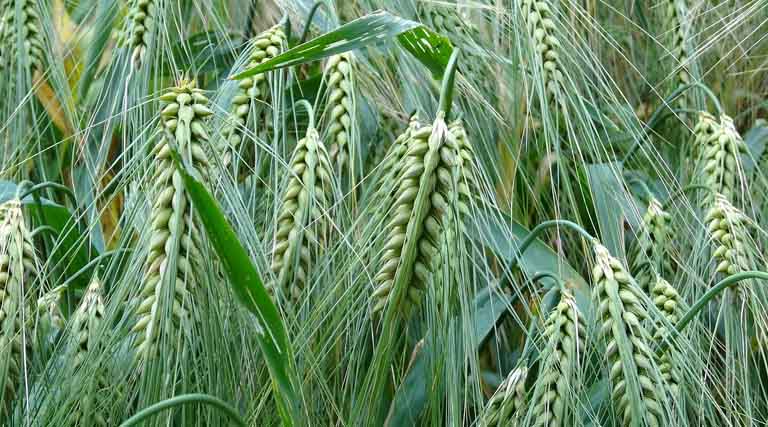
Grain Filling Concerns in India’s Wheat Belt: Role of Muriate of Potash and Potassium Nitrate in Managing March Heat Stress
02 March 2026, New Delhi: As wheat across North and Central India enters the grain filling stage during early March, agronomic concerns begin to intensify. This phase is critical because kernel weight, grain size and overall yield potential are determined largely during this short physiological window. With rising day temperatures, fluctuating soil moisture and occasional hot winds, farmers are increasingly worried about shriveled grains and reduced test weight. Nutrient management, particularly potassium nutrition, has emerged as a key intervention to protect yield stability during this sensitive period.
According to ICAR–Indian Institute of Wheat & Barley Research (IIWBR), Karnal, grain filling is highly sensitive to heat stress. When maximum temperatures approach or exceed 35°C for consecutive days, the crop’s metabolic processes accelerate, shortening the grain filling duration. This results in incomplete carbohydrate accumulation in kernels, ultimately lowering grain weight. Under such conditions, potassium-based interventions can play a vital role in stress mitigation.
Why Potassium Becomes Critical During Grain Filling
Potassium is central to stomatal regulation, enzyme activation, carbohydrate transport and water balance within the plant. During grain filling, photosynthates produced in leaves must be efficiently transported to developing grains. Potassium facilitates this translocation. When potassium availability is inadequate, the movement of sugars to grains slows down, leading to poor kernel development.
Heat stress further complicates the situation by increasing transpiration rates and disturbing cellular balance. Adequate potassium nutrition improves the plant’s tolerance to thermal stress by maintaining turgor pressure and regulating physiological functions. This is why potassium-based fertilizers gain importance during March.
Muriate of Potash: Soil-Based Support for Sustained Grain Development
Muriate of Potash (MOP), chemically potassium chloride, remains one of the primary soil-applied potassium fertilizers in India’s wheat system. When soil potassium levels are marginal or deficient, application of MOP ensures adequate potassium availability to support grain development.
While MOP is generally applied as a basal or early-stage fertilizer, fields that have not received adequate potassium earlier may show symptoms during grain filling under stress conditions. Ensuring balanced fertilization, including sufficient potassium at earlier growth stages, reduces vulnerability during March heat episodes. Long-term soil potassium sufficiency strengthens root systems and improves the plant’s overall stress resilience.
However, during the immediate grain filling stage, foliar interventions become more responsive than soil corrections, especially when rapid stress mitigation is required.
Potassium Nitrate: Foliar Strategy Under Heat Stress
For active heat stress management during March, ICAR–Indian Institute of Wheat & Barley Research (IIWBR), Karnal recommends foliar application of potassium nitrate at 2 percent concentration. This involves dissolving 4 kilograms of potassium nitrate in 200 litres of water per acre.
Unlike soil-applied MOP, potassium nitrate provides both potassium and nitrate nitrogen in readily available form through foliar absorption. This dual nutrient supply supports ongoing grain filling by enhancing nutrient mobility and sustaining photosynthetic activity. Potassium regulates water balance and reduces stress impact, while nitrate nitrogen supports protein synthesis and kernel development.
Foliar feeding becomes particularly effective when high temperatures accelerate plant metabolism and reduce nutrient uptake efficiency from soil. In such scenarios, potassium nitrate spray acts as a corrective and protective measure to maintain grain size and weight.
Integrated Potassium Management for Yield Stability
The advisory context highlights that potassium management should not be viewed as a single intervention but as part of an integrated strategy. Balanced basal fertilization with Muriate of Potash ensures foundational nutrient adequacy, while potassium nitrate foliar spray during heat spells provides tactical support during the grain filling stage.
Farmers facing grain filling concerns—such as premature leaf senescence, shriveled grains or reduced spike weight—should evaluate both soil nutrient status and prevailing temperature trends. Timely foliar potassium nitrate application under rising temperature conditions can reduce potential yield penalties.
Protecting Kernel Weight in a Warming Climate
With increasing climate variability affecting wheat production cycles in India, grain filling management has become central to yield stabilization efforts. The March advisory underscores that short-duration heat events can have disproportionate effects on final output if not addressed scientifically.
By ensuring adequate potassium nutrition through soil-applied Muriate of Potash and stress-responsive foliar application of potassium nitrate, farmers can enhance grain filling efficiency and safeguard productivity. As India continues to anchor global wheat markets, micro-level nutrient decisions during March play a decisive role in macro-level production outcomes.
Also Read: Cargill Invests to Expand Beijing Plant
Global Agriculture is an independent international media platform covering agri-business, policy, technology, and sustainability. For editorial collaborations, thought leadership, and strategic communications, write to pr@global-agriculture.com