Gone Fishing? K-State Aquatics Expert Says Cooler Temps May Be Ideal For Some Species
22 November 2025, Manhattan: Cooler temperatures are ushering in some of the best fishing of the year across Kansas, according to Joe Gerken, a fisheries and aquatics specialist with K-State Extension.
“This is a great time of year for fish,” Gerken said. “Many of the species we have in Kansas like water temperatures in the 50- to 60-degree range, which is where we’re at this time of year. And so they start preparing for winter.”
As fall conditions settle in, panfish such as bluegill and crappie begin forming tight schools. Gerken said that makes them easier for anglers to locate.
“If you can find a school, you can catch a lot of panfish this time of year,” he said.
Bass are also active as they build energy reserves for winter. “They’re trying to put on some extra weight, and so they’re going up into the shallows during the day and feeding,” Gerken said. “Then they might be on some ledges or drop-offs later in the day.”
Walleye anglers will find favorable conditions in Kansas reservoirs. Gerken said the popular game fish slows down in warm weather but becomes more active when water temperatures fall.
“When we get these cooler temps, they just come to life,” he said. “You’re seeing lots of walleye being caught this time of year. It’s really a great time to just get out and enjoy the fishing opportunities Kansas has.”
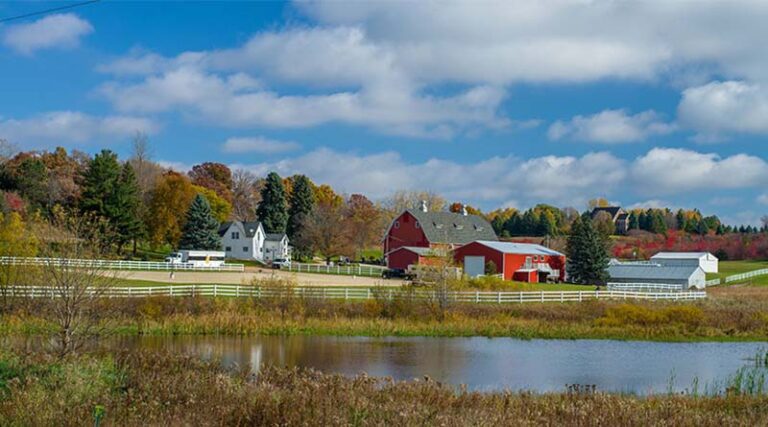
Beyond fishing, Gerken encourages landowners to use the fall season to prepare farm ponds for the colder months ahead.
“While the fish are preparing for winter, it’s also a great opportunity for us to make sure our ponds are ready,” he said.
Gerken recommends turning off aeration systems once water temperatures drop below 55 to 60 degrees Fahrenheit. For those who feed fish, he said decreased metabolism means it’s time to stop feeding or reduce the amount of feed.
Pond maintenance is another key task. Removing leaves and debris helps maintain water quality, though Gerken notes that some fallen limbs can serve as useful fish habitat. He also urges pond owners to inspect dams and shorelines for signs of beavers, muskrats, leaks or other damage that should be addressed before winter sets in.
In some cases, aeration systems may need to stay on through the winter — particularly when livestock depend on ponds for drinking water. Aeration can keep a small opening in the ice to ensure access to clean water.
Gerken also advises producers to plan for livestock safety around frozen ponds. Ice should be at least four inches thick before it’s considered safe. A tool called a spud bar can help test ice conditions. “It will break through or crack if it’s not safe,” he said.
Also Read: Punjab’s Water Crisis: Experts Say Hybrid Seeds Are the Only Sustainable Solution
📢 If You’re in Agriculture, Make Sure the Right People Hear Your Story.
From product launches to strategic announcements, Global Agriculture offers unmatched visibility across international agri-business markets. Connect with us at pr@global-agriculture.com to explore editorial and advertising opportunities that reach the right audience, worldwide.