U.S. Releases Dietary Guidelines for Americans 2025–2030, Signalling Major Shift Toward Whole Foods
13 January 2026, Washington: The U.S. Department of Health and Human Services (HHS) and the U.S. Department of Agriculture (USDA) have jointly released the Dietary Guidelines for Americans, 2025–2030, describing them as the most far-reaching overhaul of U.S. federal nutrition policy in decades. The updated guidelines deliver a direct message to consumers: prioritise real, whole foods as the foundation of health.
The announcement was made by HHS Secretary Robert F. Kennedy Jr. and USDA Secretary Brooke Rollins, against the backdrop of what officials termed a growing national health crisis. According to the administration, nearly 90 per cent of U.S. healthcare expenditure is currently directed toward managing chronic diseases, many of which are closely linked to diet and lifestyle. More than 70 per cent of American adults are overweight or obese, while nearly one in three adolescents shows signs of prediabetes—trends that are also beginning to impact military readiness and workforce participation.
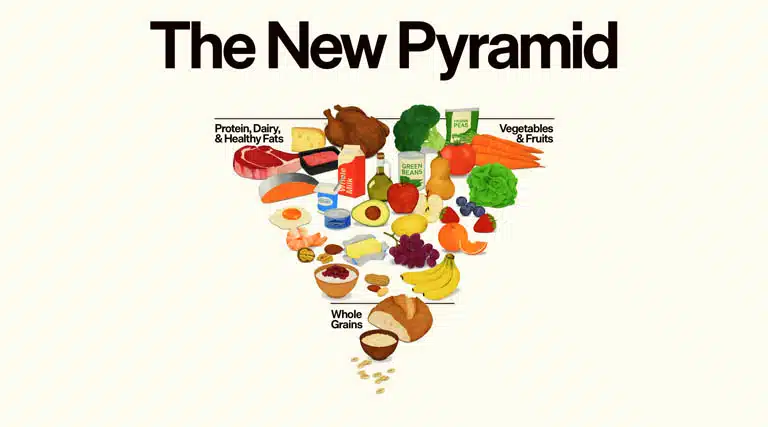
“These Guidelines bring us back to fundamentals,” Secretary Kennedy said, emphasising the need for American households to focus on nutrient-dense, minimally processed foods such as proteins, dairy, fruits, vegetables, healthy fats and whole grains, while significantly cutting down on ultra-processed products. He added that this approach is central to the administration’s broader goal of improving national health outcomes.
Secretary Rollins highlighted the agriculture and food system implications of the new framework, stating that the revised guidelines realign federal nutrition policy to support U.S. farmers, ranchers and food producers who grow and supply whole foods. She noted that the shift is intended to place more emphasis on proteins, dairy, fruits, vegetables, healthy fats and whole grains on American plates, while strengthening domestic food systems.
Under the leadership of President Donald Trump, the administration said the 2025–2030 Guidelines aim to restore scientific integrity and clarity to federal dietary advice. The new edition repositions food—rather than pharmaceuticals—as the cornerstone of health and revives the food pyramid as a practical educational tool.
The guidelines promote flexible, science-based recommendations, encouraging consumers to prioritise protein at every meal, choose full-fat dairy without added sugars, eat whole fruits and vegetables throughout the day, and include healthy fats from sources such as meat, seafood, eggs, nuts, seeds, olives and avocados. They also stress the importance of whole grains while urging a sharp reduction in refined carbohydrates, added sugars, artificial additives and highly processed foods. Hydration through water and unsweetened beverages, moderation in alcohol intake, and portion sizes tailored to age, sex and activity levels are also key elements.
In addition, the Dietary Guidelines provide specific nutrition advice for infants and young children, adolescents, pregnant and lactating women, older adults, individuals living with chronic diseases, and those following vegetarian or vegan diets. According to officials, this life-stage approach is designed to ensure nutritional adequacy and healthier outcomes across the entire population.
For the agriculture and food sectors, the revised guidelines are expected to influence production priorities, food labelling, public nutrition programmes and consumer demand, reinforcing the growing global focus on whole foods and sustainable diets.
Also Read: Brazil Approves 912 Pesticide Registrations in 2025
Global Agriculture is an independent international media platform covering agri-business, policy, technology, and sustainability. For editorial collaborations, thought leadership, and strategic communications, write to pr@global-agriculture.com