World Soil Day 2025: The World Is Moving in the Right Direction but at the Wrong Speed
By Nimish Gangrade, Editor, Global Agriculture
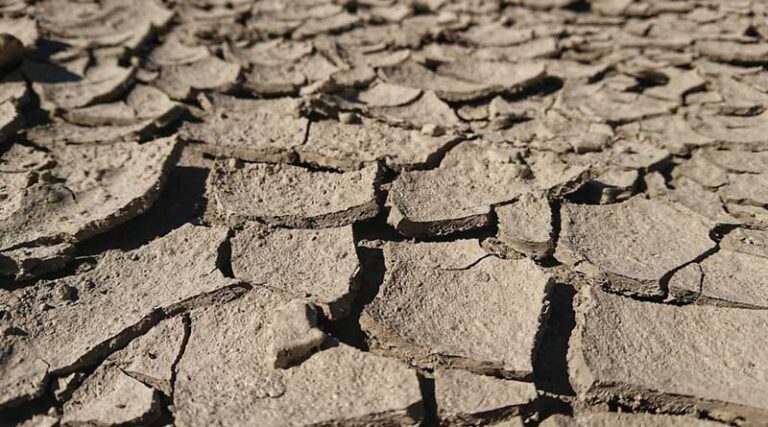
04 December 2025, New Delhi: World Soil Day 2025 arrives on 5th of December each year with a new warning. The world is finally paying attention to soil health, but the pace of recovery is nowhere near what the science demands. FAO estimates that more than one third of global soils are already degraded, and soil erosion is stripping away up to 30 billion tonnes of topsoil every year. At the same time, global soils have lost roughly 25 percent of their original carbon stocks. This loss threatens future food production and weakens one of the planet’s most important climate buffers.
The theme this year, Healthy Soils for Healthy Cities, reflects a growing reality. Soil is not just a rural issue. Urban areas are losing functional soil at unprecedented rates, and once sealed, its natural ability to absorb water, cool temperatures and support biodiversity disappears almost permanently.
Global Soil Health: The Numbers Driving Concern
Across Africa, soil organic carbon levels in cultivated land often remain below 1 percent. More than 70 percent of farmland faces moderate to severe degradation. These low carbon levels reduce yields and leave farmers vulnerable to drought.
Asia shows a different pattern. Soil carbon in many regions has fallen to between 0.3 percent and 1.5 percent. Nearly 40 percent of Asian cropland suffers from nutrient imbalance caused by decades of heavy nitrogen use and inadequate organic matter.
Latin America continues to lose carbon at a worrying rate. Newly cultivated soils in parts of Brazil, Argentina and Paraguay have already lost between 20 and 50 percent of their original carbon after conversion from forests and grasslands.
Europe’s soils face pressure as well. Erosion rates in southern Europe often exceed 10 tonnes per hectare per year, and contamination from pesticide residues remains widespread. Soil carbon levels in eastern and Mediterranean regions continue to decline.
These numbers explain why FAO predicts global food production could fall by up to 12 percent by 2040 if soil degradation continues at current speed.
India’s Soil Warning: Low Carbon, Nutrient Imbalance and Stagnating Yields
India presents one of the clearest examples of soil stress. National data shows that nearly 30 percent of Indian soils have organic carbon levels below 0.5 percent. In many regions of the Indo-Gangetic Plain, soil carbon has dropped by as much as 25 percent over the last two decades.
Almost half of India’s soils suffer from nutrient imbalance. Zinc deficiency affects more than one third of agricultural land. Soil erosion removes more than 5 billion tonnes of soil every year, along with nutrients worth roughly 1.5 million tonnes.
These pressures show up in crop performance. Wheat yields in major producing states have barely increased in ten years. Rice yields in several eastern states are stagnant despite high fertiliser use.
Farmers are responding by shifting to biological products. The biologicals market in India was growing at double-digit rates in 2024-25 until an abrupt regulatory clampdown brought the sector to a near halt, blocking even reputable, high-quality products. Now, with clearer procedures and policy adjustments, the market is slowly returning to normal. Many farmers report better moisture retention and soil structure when biologicals are paired with compost or reduced fertiliser use. However, experts warn that the market requires stronger quality control to protect farmers from ineffective or adulterated products.
Europe’s Soil Rebuilding Efforts Show Promise but Need Scale
Europe is attempting a large course correction. Soil mapping, carbon farming and regenerative agriculture trials are underway across member states. Early results show that well-managed systems can increase soil organic carbon by 0.2 to 0.4 percent annually. If applied at scale, these practices could help Europe meet its long-term soil restoration goals.
But adoption remains slow. Concerns around fertiliser restrictions, production stability and transition costs continue to delay large-scale change. Europe is moving, but not fast enough to match its own environmental timelines.
Why Urban Soils Matter More Than Ever
Cities around the world are sealing more than a million hectares of soil every year. Once sealed, soils lose nearly all ecological function. FAO highlights that even a 1 percent increase in soil organic carbon in urban green spaces can significantly improve water infiltration and reduce flooding.
Some cities are embracing this science. Permeable pavements, community gardens and urban food forests are emerging in selected regions. But most urban planning still treats soil as an afterthought rather than a vital climate tool.
Right Direction, Wrong Speed
The world is waking up to soil health. Regenerative practices are expanding. Biological inputs are gaining traction. Soil carbon is entering mainstream climate policy. Cities are beginning to treat soil as infrastructure.
But the scientific warning is consistent. Progress is real, but the pace is not enough to reverse decades of degradation.
Soil can regenerate. Soil carbon can be rebuilt. Productivity can rise again. But only if countries accelerate their actions, strengthen regulations, invest in restoration, and support farmers and cities in the transition.
World Soil Day 2025 leaves us with a simple truth. The direction is right. The speed must change.
Also Read: Biotalys Receives Regulatory Approval by U.S. EPA for EVOCA
📢 If You’re in Agriculture, Make Sure the Right People Hear Your Story.
From product launches to strategic announcements, Global Agriculture offers unmatched visibility across international agri-business markets. Connect with us at pr@global-agriculture.com to explore editorial and advertising opportunities that reach the right audience, worldwide.