India Moves to Reintroduce Low-Toxin Grass Pea Varieties as Climate-Resilient Protein Crop
25 February 2026, New Delhi: Grass pea, locally known as tivda or khesari, may soon make a cautious comeback in Indian agriculture, backed by new scientific efforts to reduce its toxic content and reposition it as a climate-resilient pulse crop.
Scientists at the Indian Council of Agricultural Research (ICAR) are working to develop safer, low-neurotoxin varieties of grass pea (Lathyrus sativus), a pulse once widely cultivated across India but later restricted due to health concerns. The crop had been banned for sale and storage in India since 1961 after it was linked to neurolathyrism, a paralytic neurological disorder caused by prolonged consumption of high levels of a naturally occurring neurotoxin (ODAP).
Addressing a recent farmers’ gathering, Union Agriculture Minister Shivraj Singh Chouhan stated that a new, less harmful variety is expected to reach the market soon. He emphasized that research efforts are focused on extracting protein from various pulses and enhancing farmer incomes through diversified, value-added crops.
Grass pea earned the nickname “poor man’s pulse” because of its extraordinary resilience. It can survive extreme drought, waterlogging and marginal soils where most other crops fail. With a maturity period of around 125 days and relatively high protein content, it serves both as a food grain and fodder crop. However, the presence of the neurotoxin beta-ODAP historically limited its safe consumption.
ICAR scientists, in collaboration with state agricultural universities, have developed improved varieties such as Ratan and Prateek. These varieties reportedly contain significantly lower levels of the neurotoxin—ranging between 0.07 percent and 0.1 percent—well below the levels previously considered risky. Field performance data indicate yields of about 1.5 to 1.6 tonnes per hectare in suitable agro-climatic regions including Madhya Pradesh, Maharashtra, Chhattisgarh, Bihar and Odisha.
Researchers used conventional hybridization, tissue culture and other breeding techniques to develop improved lines, including selections derived from the Pusa-24 background. Ongoing research is also exploring advanced genetic approaches to further reduce or potentially eliminate the toxic compound. Scientists are particularly studying how drought stress may influence toxin levels, as environmental stress conditions are known to affect ODAP concentration in the plant.
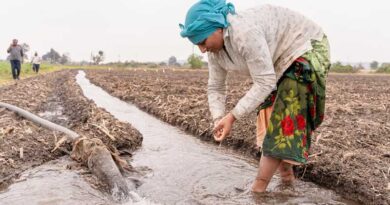
Between 2023 and 2025, experimental cultivation was carried out in eastern India, particularly in Bihar, to evaluate grass pea as a post-rice crop. The objective is to increase pulse production on underutilized land following paddy harvest, thereby improving protein availability and farm income without expanding cultivated area.
While low-toxin varieties are being promoted for cultivation, large-scale commercial clearance for human consumption remains subject to regulatory approvals from the Food Safety and Standards Authority of India and the Indian Council of Medical Research. Some states are reportedly considering easing restrictions in view of new scientific evidence.
Preliminary institutional studies also suggest that limited consumption of improved varieties may offer potential health benefits, including possible cardiovascular advantages, though comprehensive long-term assessments are still needed.
With climate variability intensifying and pressure mounting on food and nutrition security systems, the revival of grass pea is drawing renewed interest. If regulatory and safety benchmarks are met, the crop could emerge as a “smart pulse” for smallholders—combining resilience, protein density and adaptability to marginal environments.
Also Read: FMC’s Rimisoxafen Becomes First-Ever Dual Mode of Action Herbicide Classified by HRAC
Global Agriculture is an independent international media platform covering agri-business, policy, technology, and sustainability. For editorial collaborations, thought leadership, and strategic communications, write to pr@global-agriculture.com