Layered Networks, Cash Deals: Spurious Agrochemical Trade May Cross ₹1,000 Crore in India
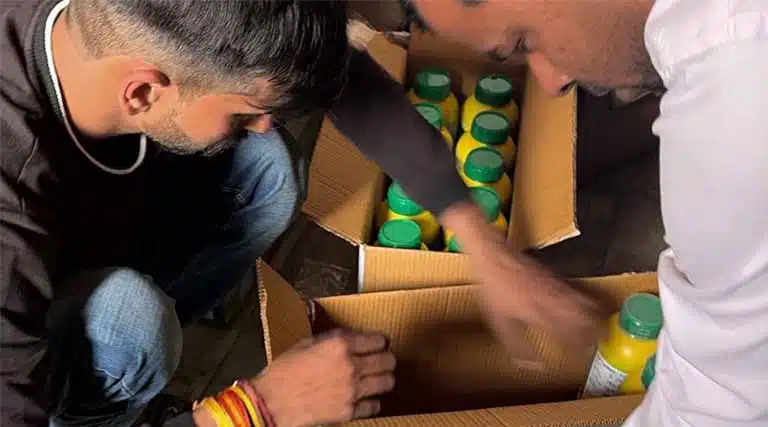
08 January 2026, Rajkot: Enforcement agencies in Gujarat have unearthed a large, organised network involved in the manufacture and distribution of counterfeit and spurious agrochemicals, raising serious concerns over farmer livelihoods, consumer safety, and the stability of India’s agricultural economy.
The latest action was carried out on December 30 in Rajkot, adding to a series of FIRs and raids conducted through 2025. Earlier operations included enforcement drives on November 20 in Ahmedabad, October 12 in Rajkot, and September 1 in Rajkot, among others. Investigators say these actions point to the expanding scale and sophistication of fake agrochemical operations that often masquerade as reputed brands.
Despite repeated seizures and ongoing probes, officials estimate the value of the illegal agrochemical trade could exceed ₹1,000 crore. Authorities believe multiple operators remain active, operating through layered networks of agents, distributors, and retailers across the country. A significant share of transactions is reportedly conducted in cash to evade regulatory scrutiny.
Investigations have identified Rajkot as a key epicentre of these activities, while Ankleshwar has been flagged for the illegal circulation of unregulated loose seeds and loose agrochemicals. In several instances, products marketed as “bio” alternatives were found to contain chemical residues and lacked mandatory registration with the Central Insecticides Board (CIB).
The wider implications are substantial. A 2015 study by FICCI estimated that a 25 per cent prevalence of non-genuine agrochemical products could reduce crop yields by 4 per cent, translating into an annual loss of nearly 10.6 million tonnes of food production. The study also warned that 29 million tonnes of food grains—valued at around $26 billion—and 3 million tonnes of fruits and vegetables worth approximately $1.4 billion could be put at risk in export markets, resulting in significant revenue losses for farmers, industry, and government alike.
Alarmingly, the distribution of counterfeit agrochemicals and illegal seeds is not limited to Gujarat. Enforcement agencies say these products are being supplied to neighbouring states, including Maharashtra, leading to widespread crop damage and undermining Gujarat’s reputation as a major agricultural and industrial hub.
Commenting on the issue, Mr. Kuldeepsinh Solanki, CEO of Gujpro Agribusiness Consortium Producer Company Ltd, said, “Spurious agrochemicals are silently destroying Indian agriculture from the ground up. Farmers lose entire crops and seasons of income because counterfeit products are sold as genuine, pushing families into debt and distress. The damage does not end at the farm—unregulated chemicals contaminate food, soil, and water, putting public health at serious risk. This is organised economic sabotage of the agricultural ecosystem and demands immediate, coordinated action from authorities to ensure farmers have access only to genuine, regulated products and are protected from such exploitation.”
Experts and officials underline that the impact of spurious agrochemicals is a national issue, not confined to any single state. Beyond agriculture, the ripple effects include food supply disruptions, price volatility, and heightened risks to food safety and public health due to contamination of soil and water.
Authorities stress that the issue goes far beyond commercial fraud or intellectual property violations. It represents a direct assault on farmer welfare, consumer trust, and the integrity of India’s food ecosystem. Stronger enforcement, swift prosecution, and exemplary penalties are seen as essential to dismantling these networks.
Equally critical is prevention. Experts are calling for a nationwide awareness initiative, jointly led by the Department of Agriculture and the pesticide industry, to educate farmers on identifying genuine products and avoiding counterfeit agrochemicals. Beyond crop losses and farmer distress, spurious products pose a grave threat to consumer health by contaminating food chains and water sources. Officials warn that this is not only an agricultural challenge, but a public health emergency requiring coordinated action, strict enforcement, and widespread education to protect farmers, consumers, and the credibility of India’s food system.
Also Read: Government Of India Invites Public Comments on Draft Pesticides Management Bill, 2025
Global Agriculture is an independent international media platform covering agri-business, policy, technology, and sustainability. For editorial collaborations, thought leadership, and strategic communications, write to pr@global-agriculture.com