Rabi Sowing Update January 2026: Wheat Area Crosses 334 Lakh Hectares, Paddy at 17 Lakh Hectares
07 January 2026, New Delhi: The latest data released by the Ministry of Agriculture & Farmers’ Welfare through the Press Information Bureau shows that India’s rabi sowing for the 2025–26 season is progressing at a faster pace compared to last year, with total area coverage reaching 634.14 lakh hectares as of January 2, 2026. This represents an increase of 16.40 lakh hectares over the corresponding period of the previous rabi season, underlining a broadly positive outlook for winter crop production.
The expansion has been led primarily by wheat, oilseeds and pulses, even as certain crops within coarse cereals and minor oilseeds show marginal declines.
Wheat Leads the Rabi Expansion
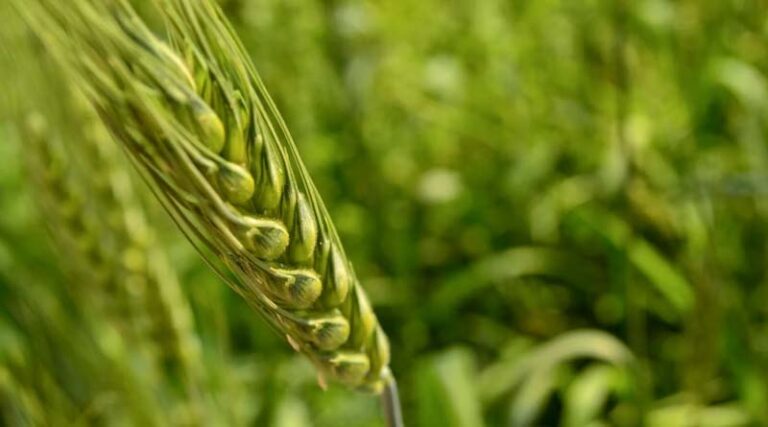
Wheat continues to anchor India’s rabi economy. The area sown under wheat has reached 334.17 lakh hectares, exceeding both the normal rabi area of 312.35 lakh hectares and last year’s final coverage of 328.04 lakh hectares. Compared to the same period in 2024–25, wheat acreage is higher by 6.13 lakh hectares, reflecting favourable sowing conditions, adequate soil moisture in key producing states and relatively stable price expectations.
This expansion strengthens prospects for a robust wheat harvest, which is critical for domestic food security and public procurement operations.
Rice Shows Early-Season Growth
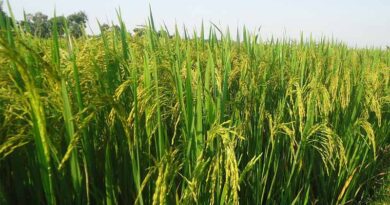
Rabi rice, though a smaller component compared to kharif rice, has also recorded an increase. Area coverage has reached 17.57 lakh hectares, up from 14.90 lakh hectares during the corresponding period last year, marking a rise of 2.67 lakh hectares. This suggests improved planting in irrigated regions where water availability has supported winter rice cultivation.
Pulses: Mixed Trends but Overall Stability
Pulses, a policy priority for nutritional security, have maintained near stability with a modest overall increase. Total pulses area stands at 134.30 lakh hectares, marginally higher by 3.44 lakh hectares over the corresponding period last year, though slightly below the normal rabi area.
Within pulses, gram (chickpea) remains dominant, with acreage rising to 95.88 lakh hectares, an increase of 4.66 lakh hectares over last year’s comparable period. Lentil has also inched up to 17.06 lakh hectares. However, crops such as fieldpea, kulthi, urdbean and lathyrus have seen small declines, indicating regional and crop-specific shifts rather than a broad-based contraction.
Shri Anna and Coarse Cereals See Marginal Gains
The group of Shri Anna and coarse cereals has recorded an area of 51.79 lakh hectares, marginally higher by 1.13 lakh hectares over last year’s corresponding period but still below the normal rabi area.
Within this category, maize has shown a notable increase, reaching 23.32 lakh hectares, up by 1.45 lakh hectares, and barley has expanded to 6.78 lakh hectares, registering a gain of 0.70 lakh hectares. In contrast, jowar acreage has declined by 1.26 lakh hectares, reflecting changing farmer preferences and market dynamics.
Oilseeds Strengthen Rabi Outlook
Oilseeds have emerged as one of the strongest performers this rabi season. Total oilseeds area has reached 96.30 lakh hectares, an increase of 3.04 lakh hectares over the corresponding period last year and well above the normal rabi area.
The bulk of this expansion has come from rapeseed and mustard, which now covers 89.36 lakh hectares, up by 2.79 lakh hectares. Linseed and safflower have also recorded moderate gains. However, groundnut, sesamum and sunflower have either declined slightly or remained stagnant, pointing to uneven performance across oilseed crops.
Overall Rabi Picture: Positive but Crop-Specific
Taken together, the rabi sowing data as of early January 2026 indicates a generally positive trajectory for India’s winter crops, with total area coverage significantly higher than last year at the same stage. The strong performance of wheat and mustard, coupled with stability in pulses, provides a measure of confidence for policymakers and markets alike.
However, the data also highlights crop-specific and regional variations, particularly within coarse cereals and minor pulses, indicating the need for continued monitoring as the season progresses toward final acreage estimates.
Progress of Area Coverage under Rabi Crops (as on 2 January 2026)
Source: Press Information Bureau, Ministry of Agriculture & Farmers’ Welfare
Area: Lakh Hectares
| S. No. | Crop | Normal Rabi Area (DES) | Final Rabi Area 2024–25 | Progressive Area Sown 2025–26 | Corresponding Period 2024–25 | Increase (+) / Decrease (–) |
|---|---|---|---|---|---|---|
| 1 | Wheat | 312.35 | 328.04 | 334.17 | 328.04 | +6.13 |
| 2 | Rice | 42.93 | 44.73 | 17.57 | 14.90 | +2.67 |
| 3 | Pulses (Total) | 140.42 | 134.08 | 134.30 | 130.87 | +3.44 |
| a | Gram | 100.99 | 91.22 | 95.88 | 91.22 | +4.66 |
| b | Lentil | 15.13 | 16.99 | 17.06 | 16.85 | +0.21 |
| c | Fieldpea | 6.50 | – | 7.92 | 8.27 | –0.35 |
| d | Kulthi | 1.98 | – | 1.90 | 2.41 | –0.52 |
| e | Urdbean | 6.16 | 6.18 | 3.98 | 4.27 | –0.29 |
| f | Moongbean | 1.41 | 1.36 | 0.60 | 0.59 | +0.01 |
| g | Lathyrus$ | 2.79 | – | 2.87 | 2.92 | –0.05 |
| h | Other Pulses$ | 5.46 | 18.33 | 4.10 | 4.34 | –0.24 |
| 4 | Shri Anna & Coarse Cereals (Total) | 55.33 | 59.05 | 51.79 | 50.66 | +1.13 |
| a | Jowar | 24.62 | 25.17 | 20.74 | 22.00 | –1.26 |
| b | Bajra | 0.59 | – | 0.12 | 0.12 | 0.00 |
| c | Ragi | 0.72 | – | 0.70 | 0.51 | +0.20 |
| d | Small Millets# | 0.16 | – | 0.13 | 0.10 | +0.04 |
| e | Maize | 23.61 | 27.80 | 23.32 | 21.87 | +1.45 |
| f | Barley | 5.63 | 6.08 | 6.78 | 6.08 | +0.70 |
| 5 | Oilseeds (Total) | 86.78 | 93.49 | 96.30 | 93.27 | +3.04 |
| a | Rapeseed & Mustard | 79.17 | 86.57 | 89.36 | 86.57 | +2.79 |
| b | Groundnut | 3.69 | 3.37 | 3.13 | 3.37 | –0.25 |
| c | Safflower | 0.72 | 0.64 | 0.86 | 0.64 | +0.22 |
| d | Sunflower | 0.79 | 0.81 | 0.47 | 0.47 | 0.00 |
| e | Sesamum | 0.48 | 0.41 | 0.12 | 0.14 | –0.02 |
| f | Linseed | 1.93 | 1.69 | 1.99 | 1.76 | +0.23 |
| g | Other Oilseeds | 0.00 | – | 0.38 | 0.31 | +0.07 |
| — | Total Crops | 637.81 | 659.39 | 634.14 | 617.74 | +16.40 |
Global Agriculture is an independent international media platform covering agri-business, policy, technology, and sustainability. For editorial collaborations, thought leadership, and strategic communications, write to pr@global-agriculture.com