
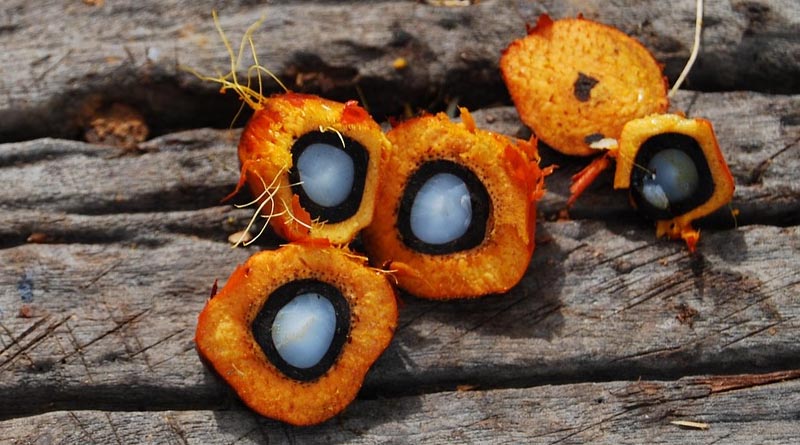
African Oil Palm Elaeis Guineensis

African oil palm (Elaeis guineensis) is a tropical perennial crop native to West and Central Africa and the world’s principal source of palm oil. The oil palm produces two commercially important oils: palm oil from the fleshy fruit mesocarp and palm kernel oil from the seed. These oils are used in food manufacturing, personal care products, oleochemicals and biofuels, making the crop an important component of global agricultural commodity markets.

Oil palm production depends on improved planting material, suitable tropical climates, nutrient management, water availability and effective pest and disease control. Breeding programmes focus on fruit yield, oil content, disease resistance and traits that support more efficient plantation management. Research also addresses major production challenges, including basal stem rot caused by Ganoderma fungi, soil health, sustainable fertiliser use and the environmental impacts associated with plantation expansion and land-use change.

Follow the latest African oil palm news, including research on Elaeis guineensis genetics, improved varieties, plantation management, palm oil production, disease control and sustainability standards. Coverage examines developments across the palm oil supply chain, including agricultural research, production trends, environmental regulation and efforts to improve productivity while reducing deforestation and supporting responsible land management.