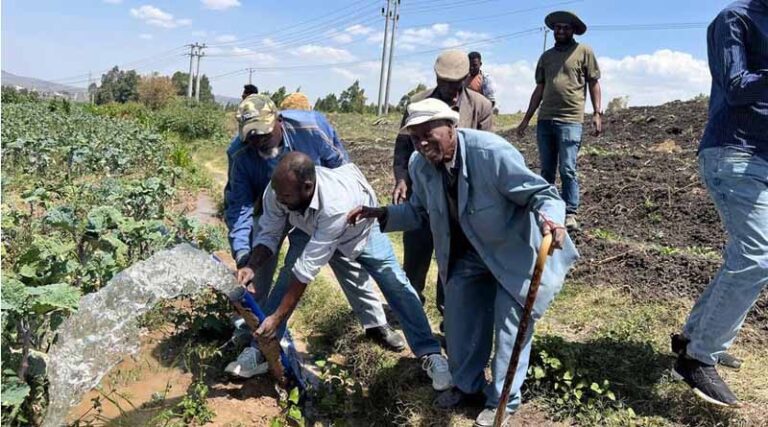
Sun-Powered Farming: Ethiopian Farmers Save Thousands by Switching to Solar Irrigation
07 August 2026, Africa: Smallholder farmers in Ethiopia are slashing their farming costs, increasing food production and protecting the environment thanks to solar-powered irrigation systems introduced through the Nature-based Solutions for Sustainable and Inclusive Development programme, led by the international NGO Farm Africa.
In a country famous for its “13 months of sunshine”, Ethiopia has enormous potential to harness solar energy. While the country has abundant water resources and millions of hectares of irrigable land, most smallholder farmers still rely on rainfall to grow their crops, leaving them vulnerable to drought and erratic weather patterns.
Even for those with irrigation systems, extreme shortages and rising prices of fuel, sparked by the Middle East crisis, are disrupting production and cutting into farmers’ profits.
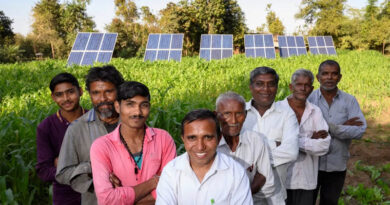
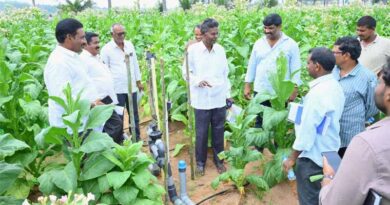
To help farmers access reliable and climate-friendly irrigation, with funding from the Swedish International Development Agency Sida, Farm Africa and partners have introduced solar-powered water pumps in communities in Central Ethiopia, the Oromia region and around the capital city Addis Ababa.
The technology replaces diesel and petrol-powered pumps that are expensive to run, difficult to fuel and contribute to greenhouse gas emissions. Solar-powered irrigation systems provide a cost-effective and environmentally friendly alternative to helping improve agricultural productivity, food security and household incomes.
The impact is already clear.
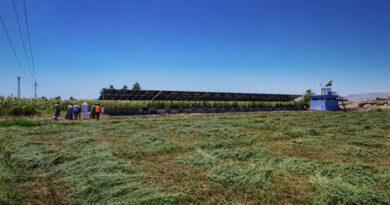
In Akaki Kality, on the outskirts of Addis Ababa, a vegetable-growing cooperative made up of 25 members previously relied on diesel-powered pumps to irrigate 1.5 hectares of land.
The cooperative used around 2,305 litres of diesel during a single three-month growing cycle, costing approximately ETB 414,720. Because vegetables are grown three times a year, switching to a solar-powered irrigation system is expected to save the cooperative around ETB 1.24 million (approximately £5,800) annually in fuel costs alone.
Farmers in rural Ada’a Woreda in the Oromia Region are also seeing significant benefits. A group of six farmers cultivating two hectares of land in Godino Kebele previously depended on petrol-powered pumps. Obtaining fuel was not only costly but time-consuming, often requiring lengthy journeys and administrative approvals before fuel could be purchased.
By switching to solar irrigation, the farmers have avoided the use of an estimated 1,344 litres of petrol during a single three-month production cycle, saving approximately ETB 241,920. Over three growing seasons a year, the group is expected to save around ETB 725,760 (£3,386).
The benefits extend far beyond financial savings.
Reliable solar-powered irrigation enables farmers to continue producing crops despite increasingly unpredictable rainfall patterns linked to climate change. It also protects them from fluctuations in fuel prices and shortages.
Farm Africa Ethiopia Country Director Shewit Emmanuel commented:
“The global energy crisis has hit Ethiopian farmers hard. Diesel and petrol have become not just expensive, but very scarce. Farmers have had to wait in queues for hours to purchase fuel, costing precious time that should be spent farming. The impact on productivity and food security has been severe.”
By eliminating the need for fossil fuels to power irrigation, solar pumps also reduce greenhouse gas emissions and support more environmentally sustainable farming systems. Farmers spend less time sourcing fuel, experience fewer interruptions to irrigation schedules and can focus more of their time on producing food and generating income.
Farm Africa’s experience reflects growing evidence that solar-powered irrigation can transform rural livelihoods.
Farm Africa Programme Manager Ayele Feleke commented, “As Ethiopia faces increasing pressure from climate change, population growth and food insecurity, solar irrigation is a clean energy source that can deliver a powerful double dividend: lower costs for farmers and a healthier planet for future generations.”
Also Read: Syngenta Appoints Eladio Robles as India Managing Director
Global Agriculture is an independent international media platform covering agri-business, policy, technology, and sustainability. For editorial collaborations, thought leadership, and strategic communications, write to pr@global-agriculture.com