10 November 2026, Manila, PH: The Philippine Statistics Authority reported that agriculture and fisheries output fell 5 percent in the third quarter of 2026, to 389.42 billion pesos at constant 2018 prices, down from 410.04 billion pesos in the same period last year. The agency described it as the sector’s weakest third-quarter performance in 11 years.
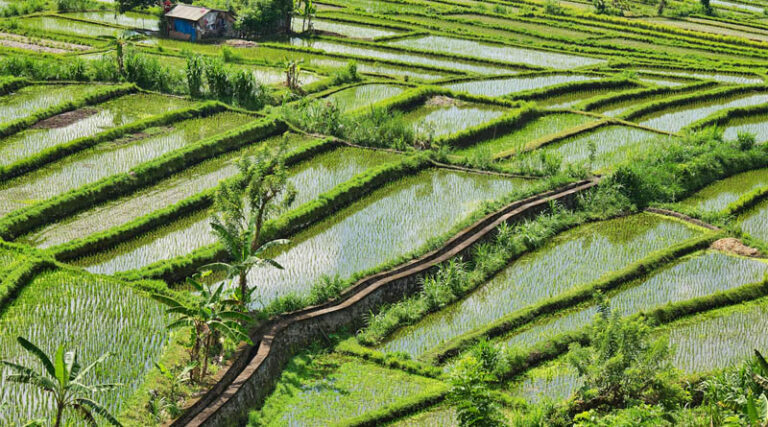
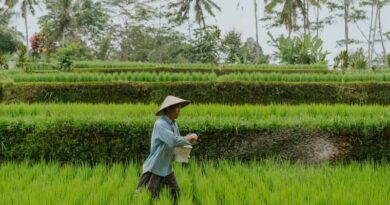
Crops accounted for most of the decline. Output from that subsector, which makes up just over half of total agricultural production, dropped 9.3 percent to 197.71 billion pesos. Palay, the staple rice crop, fell 17.8 percent in production value, while corn dropped 17.4 percent. Fisheries output declined 8.5 percent to 50.86 billion pesos. Livestock and poultry were the only subsectors to grow, rising 1.1 percent and 4.9 percent respectively, to 61.17 billion pesos and 79.67 billion pesos.
Monsoon flooding compounds rising input costs
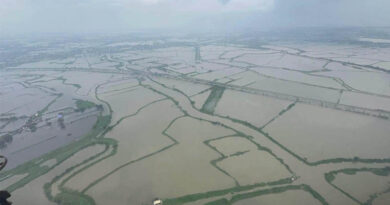
The Department of Agriculture attributed the crop and fisheries decline to a combination of higher fertilizer and other farm input costs and flooding from the southwest monsoon, locally known as habagat, which disrupted planting decisions and reduced harvests across rice and corn growing areas during the quarter. The department did not specify individual flood events or provinces in its public remarks on the data.
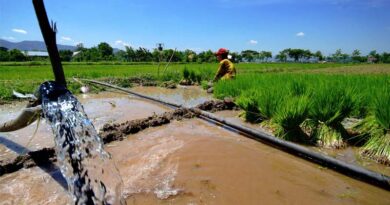
Agriculture Secretary Francisco Tiu Laurel Jr. said the government has prepared a 62 billion peso response plan intended to protect production and farmer livelihoods against the anticipated effects of a potentially severe El Nino. He described the plan as centered on three elements: deploying agricultural technology, applying targeted interventions in the most affected areas, and strengthening coordination between national and local government agencies involved in farm support.
The third-quarter figures mark a reversal from the modest growth the sector posted in the same quarter of 2025, when crops and poultry had helped offset weaker livestock and fisheries performance despite weather disruptions that year. This time, rice and corn, the two crops most exposed to both monsoon flooding and input cost pressure, dragged the broader sector into contraction even as livestock and poultry continued to expand.
Global Agriculture is an independent international media platform covering agri-business, policy, technology, and sustainability. For editorial collaborations, thought leadership, and strategic communications, write to pr@global-agriculture.com