15 September 2026, Lahore, Pakistan: USDA estimates Pakistan’s 2026/27 cotton production at 5.0 million 480 pound bales, down 2 percent from last month’s forecast, 6 percent below last year, and 8 percent under the five year average. Harvested area is estimated at 1.9 million hectares, down 5 percent both on month and on year and 7 percent below the five year average, while yield is estimated at 573 kilograms per hectare, up 3 percent on month but down 1 percent year on year and 1 percent below the five year average.
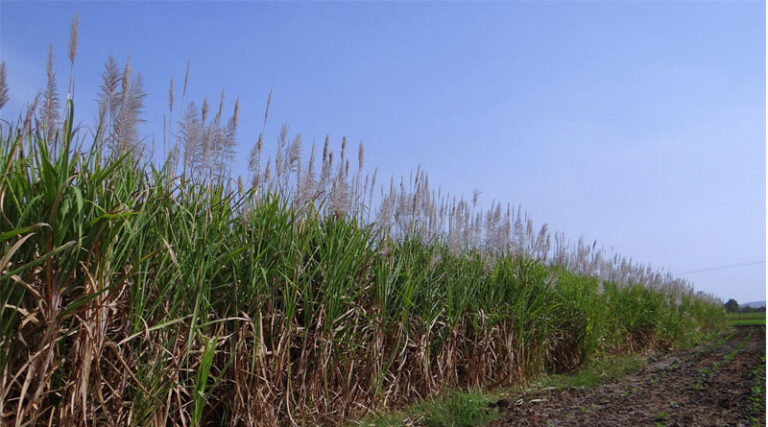
Growing conditions were positive through much of the season, and early returns at the start of harvest in August came in above average. Even so, USDA lowered its production estimate this month on account of reduced planted area. The Pakistani government had reportedly planned for 2.16 million hectares of cotton for the season, but actual planting in the two primary producing provinces fell well short of that target, down 18 percent in Punjab and 11 percent in Sindh. Government and industry sources in Punjab attributed the shortfall to farmer reluctance to plant cotton given weaker returns relative to competing crops, particularly sugarcane, which offered better margins this season.
Punjab remains Pakistan’s dominant cotton producing province, accounting for an estimated 66 percent of national output, with Sindh contributing the remaining 33 percent, based on three year average district level production data referenced in this month’s report.
The crop switching dynamic described here, cotton losing ground to sugarcane on relative profitability, mirrors a pattern seen elsewhere in this month’s global data, including Argentina’s shift from cotton to sunflowerseed. It illustrates how farm level economics, not just weather, continue to shape planted area decisions season to season even in a traditional cotton growing region like Punjab.
For India’s textile and agri-input sectors, a smaller Pakistani cotton crop is relevant on two fronts. It reduces the volume of competing raw cotton supply from a neighboring producer that also exports into South and Southeast Asian textile markets, a dynamic that can support regional cotton pricing. At the same time, the underlying driver, farmers chasing better margins in sugarcane, is a reminder for Indian seed and agrochemical companies serving cotton growing states of how closely planting decisions track relative crop economics, and how competitive input pricing and yield support can matter for retaining cotton area even when substitute crops offer an attractive alternative.
Global Agriculture is an independent international media platform covering agri-business, policy, technology, and sustainability. For editorial collaborations, thought leadership, and strategic communications, write to pr@global-agriculture.com