Deep Straw Burial Cuts Maize Ear Rot and Toxin Contamination, Chinese Study Finds
15 September 2026, Jilin Province, China: Burying maize crop residue deeper in the soil after harvest can sharply reduce ear rot disease and the dangerous mycotoxins it produces, according to a three-year field study from China’s Agro-Environmental Protection Institute, part of the Ministry of Agriculture and Rural Affairs.
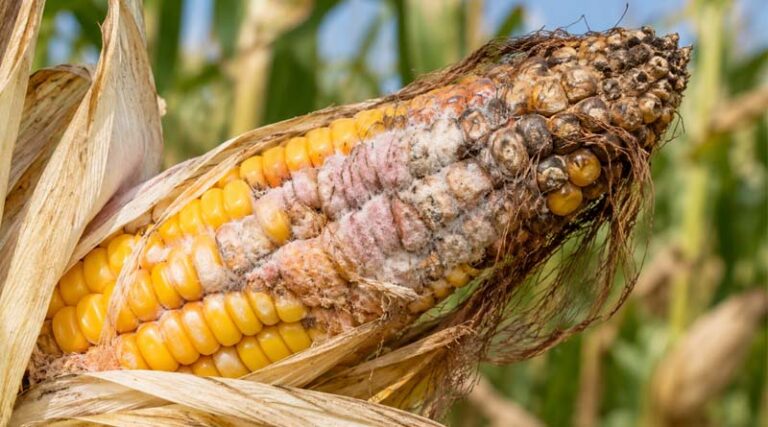
The research, led by corresponding author Yanpo Yao and published August 18, 2026, tackles a problem that has grown more common as farmers increasingly return crop stubble to their fields rather than burning it, a practice encouraged for its soil health and carbon benefits. Left near the surface, however, maize stalks and cobs can harbor fungal pathogens that survive winter and reinfect the next season’s crop, producing ear rot and mycotoxins, toxic compounds that contaminate grain and can make it unsafe for human or animal consumption.
How the trial was run
The team conducted field trials over three growing seasons in Jilin Province, a major maize-producing region in northeastern China, comparing four different depths at which chopped crop residue was incorporated into the soil: a shallow 0 to 5 centimeters, and progressively deeper bands at 10 to 20, 20 to 30 and 30 to 40 centimeters. At each depth, researchers tracked soil physical and chemical properties, the composition of soil microbial communities, the severity of ear rot disease, and concentrations of two common mycotoxins, deoxynivalenol (also known as DON, or vomitoxin) and zearalenone (ZEN), both regulated contaminants in food and feed grain in most major markets.
The results showed a clear depth effect. Burying residue at 20 to 40 centimeters, well below the surface layer where most tillage traditionally places stubble, cut ear rot incidence by 33 to 67 percent and reduced disease severity by 20 to 50 percent compared with shallow incorporation. Mycotoxin concentrations in harvested grain stayed within recognized safety thresholds under the deeper treatments. The mechanism behind the improvement was microbial rather than purely physical. Deeper burial favored beneficial fungi such as Trichoderma, a genus widely used commercially as a biocontrol agent, while suppressing populations of Fusarium and Aspergillus, the fungal genera primarily responsible for ear rot and mycotoxin production in maize. The deepest treatment, 30 to 40 centimeters, produced roughly a fourfold improvement in an overall soil quality index compared with shallow incorporation, reflecting broader gains in soil structure and nutrient cycling alongside the disease suppression.
Based on the full three-year data set, the researchers recommend 20 to 30 centimeters as the practical optimum for farmers, a depth that captures most of the disease-suppression and soil-quality benefit seen at 30 to 40 centimeters while requiring less intensive, and less costly, tillage to achieve. The finding effectively reframes residue management: rather than treating crop stubble simply as organic matter to be recycled for soil carbon, the depth at which it is buried becomes an active tool for managing plant disease and food safety risk.
Also Read: UPL Expands Nature-Based Agriculture Portfolio with Investment in Japan’s PhytoChrome
Global Agriculture is an independent international media platform covering agri-business, policy, technology, and sustainability. For editorial collaborations, thought leadership, and strategic communications, write to pr@global-agriculture.com