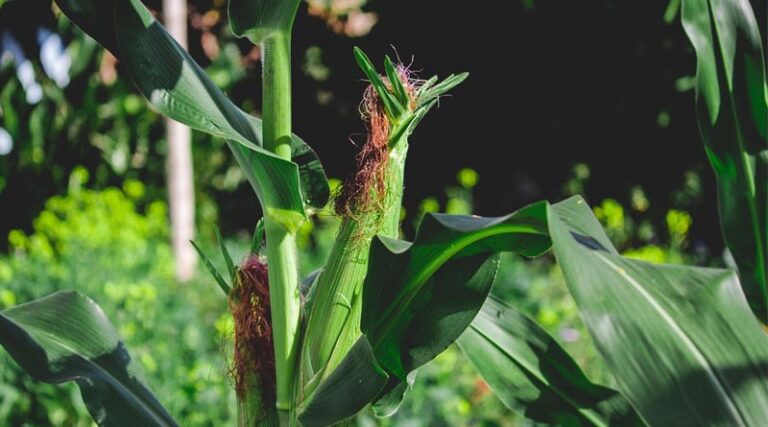
15 September 2026, New Delhi: USDA estimates India’s 2026/27 corn production at 50.0 million metric tons, down 4 percent from last month’s forecast and 9 percent below last year’s output. Harvested area is estimated at 14.0 million hectares, down 3 percent both from last month and from last year, while yield is estimated at 3.57 tons per hectare, down 1 percent on month and 7 percent year on year.
Roughly 75 percent of India’s corn output comes from the kharif season, which depends heavily on the performance of the southwest monsoon. This year the monsoon’s advance, which typically begins at the end of May, was delayed, pushing corn planting behind last year’s pace. A weak and erratic start to the season gave way to some relief once July rainfall arrived, allowing planting activity to intensify. Even so, the Ministry of Agriculture and Farmers’ Welfare’s weekly crop area planted progress report, dated September 4, showed corn area still running 2 percent below last year’s level.
Satellite derived vegetation index data for the growing season shows less crop vigor compared with both last year and the longer term average, a pattern most pronounced in India’s central region. USDA reads this as validation of the inconsistent rainfall pattern through the season and its detrimental effect on corn development and eventual yield potential.
Harvest of the kharif corn crop began in September. India also grows a second, smaller corn crop in winter, known as the rabi crop, for which planting typically begins in October, offering a partial opportunity to offset some of this year’s kharif shortfall depending on how the rabi season’s own moisture and input conditions develop.
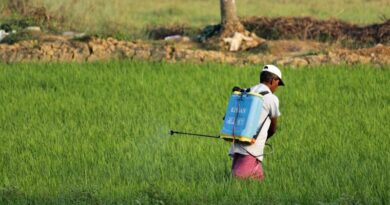
A weaker kharif corn crop has direct implications across India’s poultry and animal feed industry, which relies on corn as a primary feed input, as well as for the country’s expanding corn based ethanol program. Tighter domestic supply this year could put upward pressure on domestic corn prices and feed costs in the months ahead, a dynamic that will be closely watched by feed millers, poultry integrators and ethanol producers alike as the kharif harvest data firms up over the coming weeks. It also puts a renewed spotlight on India’s rabi corn season and on the seed, irrigation and crop protection inputs available to growers ahead of October planting, since a strong rabi crop would help cushion the year’s overall supply picture.
Global Agriculture is an independent international media platform covering agri-business, policy, technology, and sustainability. For editorial collaborations, thought leadership, and strategic communications, write to pr@global-agriculture.com