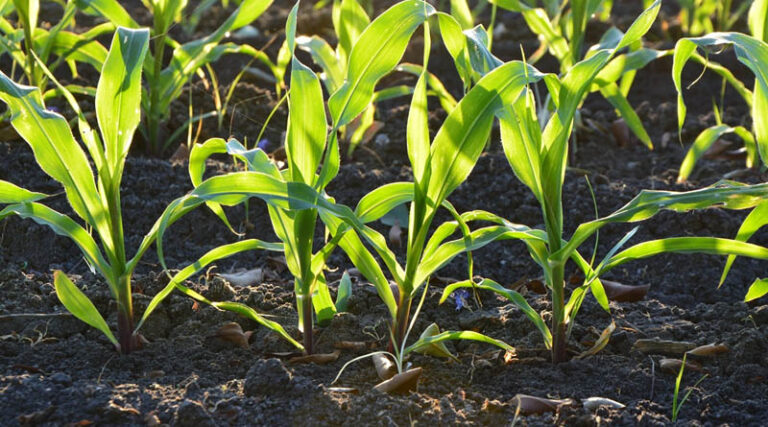
Soil Bacterium Seed Treatment Lifts Drought-Stressed Maize Yield Nearly 27%
30 October 2026, Brazil: A field trial in northeastern Brazil has found that treating maize with a naturally occurring soil bacterium can substantially offset the yield losses caused by drought, offering farmers a low-cost biological tool for climate-stressed growing seasons.
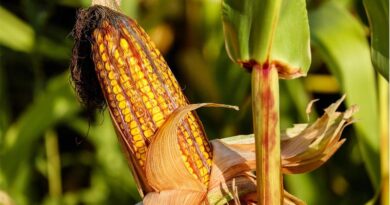
Maize is highly sensitive to water shortages during its vegetative growth stage, and drought during this early window can permanently cap the plant’s yield potential even if rains return later in the season. That vulnerability matters more as weather grows less predictable across Brazil’s maize belt and other tropical and subtropical maize-growing regions worldwide.
Researchers at the Federal University of Sergipe, working with colleagues from partner institutions, tested a commercial biological inoculant containing the bacterium Bacillus aryabhattai, strain CMAA 1363, sold under the brand name Auras. The study, led by corresponding author Luiz Fernando Ganassali de Oliveira Júnior, was published online on October 5, 2026, in the journal Cereal Research Communications.
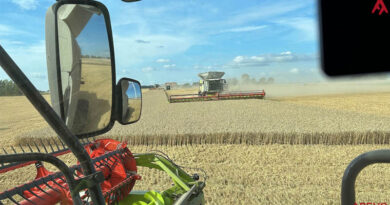
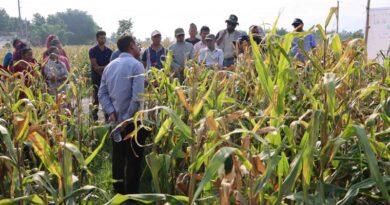
The trial ran from January to April 2024 at the university’s Campus Rural experimental farm in São Cristóvão, Sergipe state. Researchers planted the maize hybrid Feroz Viptera 3 using a split-plot, randomized block design with four repetitions. Half the plots received full irrigation, matching 100% of the crop’s water demand (known in agronomy as evapotranspiration, or ETc). The other half were limited to 50% of that demand, simulating drought, with the water cut imposed during a 25-day window from 21 to 46 days after planting, when young maize plants are especially vulnerable to moisture stress. Within each watering regime, some plots were inoculated with the bacterial product and some were not, allowing a direct comparison.
How the Bacterium Helped Plants Cope
Under drought, inoculated plants retained 8.47% more water in their leaves than untreated drought-stressed plants, and showed 19.70% less electrolyte leakage, a measure of damage to cell membranes. Chlorophyll levels, which plants need to capture sunlight for photosynthesis, were 4.91% higher for chlorophyll a and 21.88% higher for chlorophyll b in inoculated plants. Levels of proline, an amino acid that plants accumulate as a stress signal when under strain, fell by nearly 28% in inoculated plants, indicating they experienced less physiological stress overall. Two enzymes that help plants neutralize the unstable molecules produced during stress, catalase and ascorbate peroxidase, were also more active in treated plants, up 9.74% and 20.20% respectively.
These physiological advantages translated directly into the field. Drought-stressed, inoculated plants had 16.67% more leaf area, thicker stems, and taller plants than their untreated counterparts. At harvest, inoculated drought-stressed maize produced 12.88% more grains per plant and cobs that were 10.05% heavier. Overall grain yield under drought was 26.89% higher in inoculated plots than in untreated drought plots. Notably, the inoculated drought-stressed plants yielded about as much as untreated plants that had received full irrigation throughout, meaning the bacterial treatment nearly eliminated the yield penalty normally caused by water stress. Inoculation also helped under good growing conditions: well-watered plants treated with the bacterium yielded 16.19% more than untreated well-watered plants, reaching roughly 4,228 kilograms per hectare.
The research team used statistical testing, Tukey’s test at a 5% significance threshold, to confirm these differences were not due to chance, strengthening confidence in the results.
Also Read: India Tops $4.39 Billion Emerging-Market AgTech Funding
Global Agriculture is an independent international media platform covering agri-business, policy, technology, and sustainability. For editorial collaborations, thought leadership, and strategic communications, write to pr@global-agriculture.com