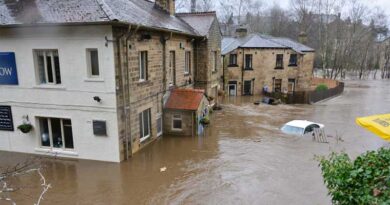
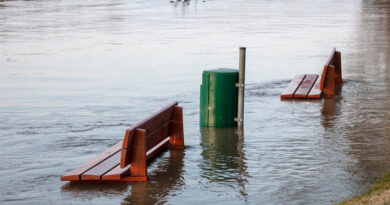
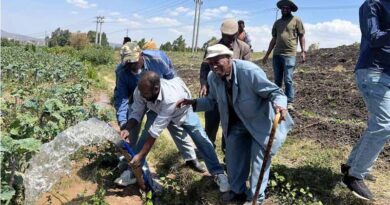
30 October 2026, Gassol, NG: Flooding in Gassol Local Government Area of Nigeria’s Taraba State has destroyed farmland, killed livestock, injured residents and displaced thousands of households, according to a joint federal and state emergency assessment released on October 21. The damage adds to a pattern of flood losses reported across several Nigerian states this harvest season, at a time when parts of the country are already grappling with elevated food prices.
The National Emergency Management Agency’s Yola Operations Office sent its Relief and Rehabilitation Unit, led by Galadima Sam Boyi, to carry out a joint assessment of the affected communities alongside Taraba State authorities. Neither agency has yet released an official tally of how many hectares of farmland were destroyed or precisely how many households were displaced, describing the toll only in terms of thousands of residents affected and multiple communities disrupted. No crop-specific breakdown or monetary damage estimate has been published, details likely to emerge as the assessment is finalised.
Dr Echuseh Audu, Executive Secretary of the Taraba State Emergency Management Agency, expressed concern over the plight of affected residents, with her comments relayed through a state government liaison who conveyed the state government’s sympathy and its commitment to supporting the affected communities. Taraba Governor Agbu Kefas’s administration was described as remaining committed to easing the hardship faced by disaster-hit residents, though specific relief measures such as food aid, cash transfers or farm input replacement were not detailed.
A recurring seasonal threat to farmland
Flooding of this kind has become a near-annual feature of Nigeria’s rainy season, typically peaking between September and November as river systems, including tributaries of the Benue, swell and overrun poorly maintained drainage and embankments in low-lying farming communities. Taraba, which sits along the Benue River basin, is one of several north-central and northern states that have reported flood damage to farmland in recent weeks. The timing is particularly damaging because it coincides with the harvest window for staple crops, meaning floodwaters can wipe out a season’s yield just before it would otherwise have been brought in, compounding losses rather than simply delaying planting.
Nigeria is Africa’s most populous country and one of its largest food producers, and aid agencies have flagged rising food insecurity in parts of the country this year, driven by a combination of conflict in parts of the north, currency pressures and recurring climate shocks like this one. Flood losses concentrated in farming communities tend to show up weeks later in local market prices for staples such as maize, rice and cassava, even when the immediate damage is geographically contained, because transport and storage networks in affected areas are often disrupted alongside the fields themselves.
Global Agriculture is an independent international media platform covering agri-business, policy, technology, and sustainability. For editorial collaborations, thought leadership, and strategic communications, write to pr@global-agriculture.com