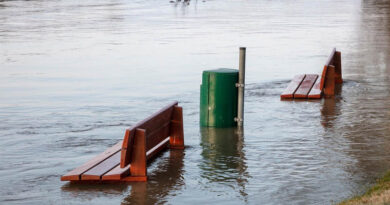
05 October 2026, Bangkok: Flooding that has affected Thailand since late August has now damaged 1.64 million rai (about 263,000 hectares) of cropland and left 3.9 million farm animals dead or missing, according to figures compiled by the Ministry of Agriculture and Cooperatives’ agricultural disaster monitoring and response centre and reported on October 3.
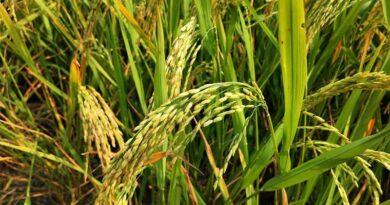
Rice accounts for the bulk of the cropland damage, with 1.31 million rai affected, a significant hit given that Thailand is one of the world’s largest rice exporters and the crop is central to rural livelihoods across the flood-hit provinces. The ministry’s data shows 144,738 farming households have been affected by crop losses alone. On the livestock side, poultry makes up almost the entirety of the animal toll, with 3.89 million birds dead or missing, pointing to widespread losses among the country’s commercial and backyard poultry operations. Aquaculture damage, measured separately, has reached an estimated 170.14 million baht.
Flooding has spread across most of the country
The ministry’s tally shows the floods, which began on August 21, have touched 42 provinces in some form, with 26 provinces reporting livestock losses and 24 reporting aquaculture damage. That geographic spread, covering a large share of Thailand’s 76 provinces, underscores how this flood season has moved well beyond the Mekong-adjacent lowlands that typically see seasonal inundation and into central and southern growing regions as well.
The scale of the damage is still being updated as survey teams verify losses on the ground, a process that in past Thai flood seasons has sometimes pushed final compensation figures higher than initial estimates. Because the current figures span more than six weeks of accumulating damage rather than a single flood event, the toll is likely to keep rising until the rainy season fully recedes, typically expected by late October or November in most of the country.
Thailand exported roughly 7 to 8 million tonnes of rice annually in recent years, competing closely with India and Vietnam for the position of the world’s largest or second-largest rice exporter depending on the season. Losses concentrated in rice growing areas, even if they represent a modest share of the country’s total paddy area, can still affect specific export grades and regional supply chains, and compound pressure on smallholder households that rely on a single harvest for most of their annual income.
The poultry losses carry their own separate significance. Thailand is a major poultry meat exporter to markets including Japan and the European Union, and losses concentrated in smaller or backyard operations, rather than large integrated commercial farms with stronger biosecurity and drainage infrastructure, tend to hit rural household income more directly than they affect the country’s export volumes.
For seed, fertiliser and crop protection companies with a presence in Southeast Asia, a flood season of this scale typically translates into a compressed and uncertain planting window for the next rice crop, since waterlogged fields need to drain and dry before replanting can begin. Demand for replacement seed, along with fungicides and treatments to manage disease pressure in waterlogged soils, often rises in the months immediately following major flooding, even as farmer purchasing power in the worst-hit households is temporarily weakened by crop and livestock losses.
The scale of poultry losses also has a bearing on feed demand, since a smaller flock base reduces near-term requirements for compound feed and the maize or soybean meal that goes into it, a dynamic regional grain traders will be watching as they assess Southeast Asian import demand for the rest of the year.
Global Agriculture is an independent international media platform covering agri-business, policy, technology, and sustainability. For editorial collaborations, thought leadership, and strategic communications, write to pr@global-agriculture.com