Central Vietnam Floods Damage Rice and Vegetable Crops as More Rain Looms
18 September 2026, Vietnam: Days of extreme rainfall have flooded rice paddies and vegetable fields across at least six provinces in central and northern Vietnam, with more heavy rain forecast through the week and authorities warning of a high risk of further flash floods and landslides in eight localities.
Between September 10 and 16, weather stations in central Vietnam recorded some of the heaviest rainfall totals of the year, including 1,321 millimetres at Bach Ma in Hue and between 400 and 600 millimetres across Quang Tri and Hue more broadly, according to meteorological data reported this week. The downpours followed a weakening tropical depression that moved across the Gulf of Tonkin and dumped rain on a swathe of the country stretching from Thanh Hoa in the north to Quang Ngai in the south central coast.
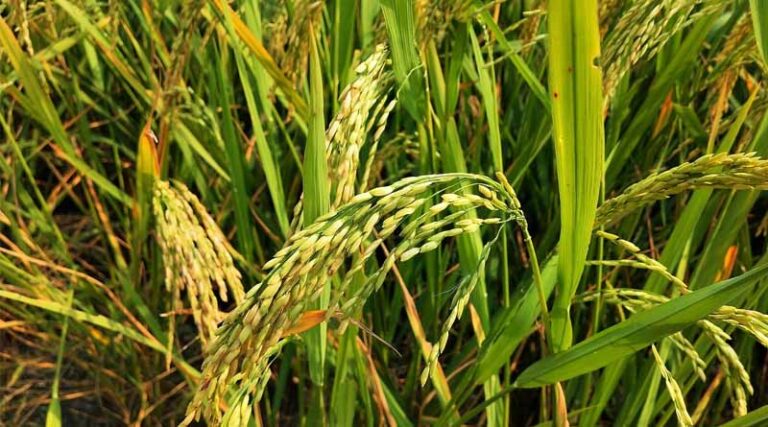
Vietnam’s National Steering Committee for Civil Defence, cited in local reporting, said flooding had damaged rice and other crops in multiple provinces as the event unfolded. In Quang Ngai province, officials reported at least 48 hectares of rice flooded and about 15 hectares of vegetables destroyed in the communes of An Phu, Nghia Giang, Dinh Cuong and Long Phung. In neighbouring Quang Tri, close to 17 hectares of rice were affected on September 14, rising to roughly 35 hectares of autumn-winter rice nearing harvest by September 15 in Thanh Hoa and Thanh Phuoc communes. Officials cautioned that damage assessments were still being compiled and could rise as floodwaters recede in some areas while new rain falls in others.
Beyond crop losses, the flooding submerged homes, roads and bridges. More than 400 houses were inundated in Quang Tri, nine homes were damaged there and in Hue city, and dozens of road and bridge crossings were left underwater, some by more than a metre, cutting off remote communities. Local authorities evacuated hundreds of at-risk residents, including 455 people from Quang Tri’s Lao Bao commune, and deployed military units to help clear landslides and restore access.
A widening weather system
As of September 17, the immediate storm had weakened, but authorities in Son La, Phu Tho, Lao Cai, Tuyen Quang, Thai Nguyen, Quang Ninh, Thanh Hoa and Nghe An remained on alert. Soil moisture in several of these areas had reached or exceeded 85 percent saturation, a level at which additional rainfall sharply raises the risk of flash floods and landslides on top of already sodden farmland. Forecasters were tracking a further 40 to 130 millimetres of rain expected on September 17 alone, with the possibility of more organised systems forming over the East Sea before the end of the year.
Vietnam is one of the world’s leading rice exporters, and its main rice regions run through exactly the provinces now under alert. While the confirmed crop losses so far are localised rather than catastrophic, the pattern of overlapping storms hitting the same central provinces within a single week reflects a wider trend flagged by Vietnamese authorities this year: more frequent, more intense rainfall events compressed into shorter windows, giving farmers and disaster managers less time to recover between one flood and the next.
Global Agriculture is an independent international media platform covering agri-business, policy, technology, and sustainability. For editorial collaborations, thought leadership, and strategic communications, write to pr@global-agriculture.com