Spelt Wheat Yields a Near-Immune Stripe Rust Gene, With a Catch
02 November 2026, Saskatoon, CA: Researchers at the University of British Columbia, the University of Alberta and the Crop Development Centre at the University of Saskatchewan have identified a single gene in a spelt wheat variety that confers near-complete, durable resistance to stripe rust, a fungal disease that costs global wheat production an estimated billion dollars or more each year. The findings were published October 1 in the journal Theoretical and Applied Genetics.
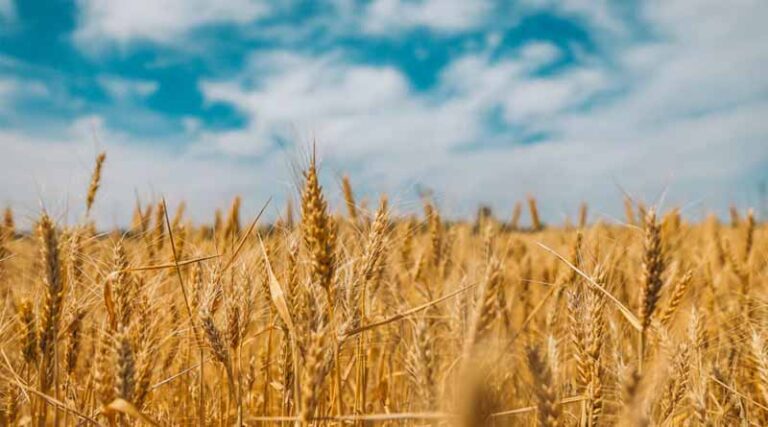
The gene was found in CDC Silex, a spelt wheat cultivar that showed what the researchers describe as near-immune adult-plant resistance to stripe rust as the plant matured, meaning the crop largely escaped damage from the disease once past its early growth stages. Stripe rust, caused by the fungus Puccinia striiformis, is one of the most damaging wheat diseases worldwide and has repeatedly overcome resistance genes that breeders have deployed in bread wheat, a pattern that makes durable, race-independent resistance especially valuable to researchers.
Mapping the gene and its mechanism
Crosses between CDC Silex and a stripe-rust-susceptible bread wheat variety showed that the resistance is controlled by a single dominant gene, which the researchers named QYr.cbl-5D. Using a technique called bulked segregant analysis sequencing, they mapped the gene to a region of chromosome 5D spanning roughly 0.31 megabases. That interval contains six predicted genes, one of which encodes a protein with both a DnaJ domain and a zinc-finger DNA-binding domain, making it the leading candidate for the resistance gene itself, though confirming that candidate will require further cloning work.
The resistance also appears unusually durable, a point the researchers highlighted given that many previously deployed stripe rust resistance genes in bread wheat have eventually been overcome by new fungal races. Markers linked to the gene’s location could allow breeders to track it efficiently in spelt breeding programs and in any future crosses aimed at moving the trait into other wheat types.
A silencer in bread wheat complicates the picture
The discovery came with an unexpected complication. When the researchers moved the resistant chromosome segment from spelt into bread wheat, the resistance disappeared entirely. The team concluded that bread wheat likely carries an as-yet-unidentified dominant suppressor gene that silences the spelt resistance trait once it is introduced into that genetic background.
Identifying that suppressor, the researchers say, could eventually allow breeders to unlock the spelt gene’s protection in elite bread wheat cultivars without relying on genetic modification, since the trait originates in a related wheat species rather than a foreign organism. Until the suppressor is found and neutralized, however, the resistance remains effectively confined to spelt wheat programs.
The research was funded by the Saskatchewan Ministry of Agriculture, the Saskatchewan Wheat Development Commission, Alberta Grains and the Manitoba Crop Alliance, reflecting the practical stakes for western Canadian wheat growers, where stripe rust has become an increasingly persistent problem in recent growing seasons. Reducing reliance on fungicide applications to manage the disease, the researchers note, would lower both input costs and the environmental footprint of wheat production in affected regions, provided the resistance can eventually be transferred into commercial bread wheat varieties.
Also Read: New Case IH Puma 185 Tractor to Make Irish Debut at FTMTA 2026
Global Agriculture is an independent international media platform covering agri-business, policy, technology, and sustainability. For editorial collaborations, thought leadership, and strategic communications, write to pr@global-agriculture.com