Biobest Launches Fully Autonomous Polly Robot for Tomato Pollination
16 November 2026, Westerlo, BE: Biobest Group, a Belgian company that supplies biological pest control and pollination products to greenhouse growers, announced on October 27, 2026, that it has introduced a fully autonomous version of its Polly pollination robot for greenhouse tomato crops. The launch targets a job that commercial tomato growers have handled for decades mainly with rented colonies of bumblebees.
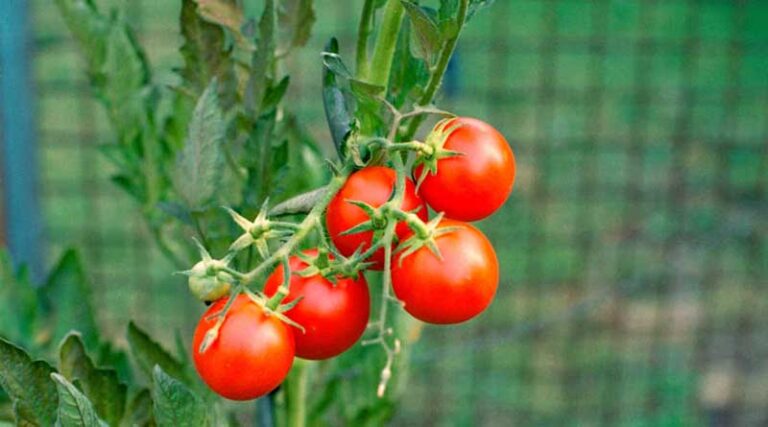
Tomato flowers need to be shaken or vibrated to release their pollen and set fruit. Bumblebees do this naturally by vibrating their bodies against the flower, a behavior known as buzz pollination. Most large commercial greenhouse tomato operations keep bumblebee hives for this purpose, but bee activity drops off in the low light of winter and the high heat of summer, which can leave gaps in pollination coverage and reduce how much fruit a plant sets. Some growers fall back on synthetic plant hormone sprays to compensate during those gaps, an approach Polly is designed to avoid.
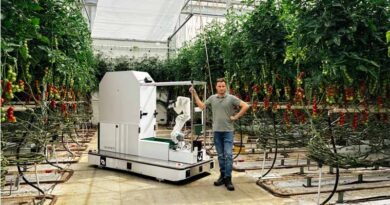
Polly uses onboard cameras paired with image-recognition software to examine individual tomato flowers and judge which ones have reached the right stage for pollination. Once it identifies a ready flower, the robot fires a short, precisely controlled burst of air at it, mechanically reproducing the vibration a bumblebee would provide, without physical contact with the plant and without chemical treatment.
Five years in development
The robot is the product of a five-year collaboration between Biobest and Arugga AI Farming, an Israeli agricultural robotics company that Biobest first invested in during 2021 to help distribute earlier pollination robots across its markets. Arugga’s robots, marketed under the Polly name, have been placed in commercial greenhouses in Europe and North America since around that time, with successive versions adding speed and reducing how much a human operator needs to steer or supervise the machine.
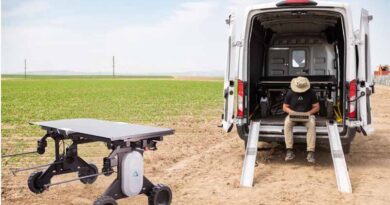
The version Biobest introduced this week adds what the companies call a fully autonomous base. A grower positions the robot at the start of a greenhouse row in the morning, and it then works through that row and the surrounding crop unattended for the rest of the day, with no worker guiding it. Biobest says the combination of greater autonomy and higher operating speed means a single robot can now cover a full hectare of greenhouse tomatoes on its own, a meaningful jump in coverage from earlier, more manually supervised versions of the technology.
According to Biobest, the robot has been tested extensively in commercial greenhouses across Europe and North America, with those trials showing yield improvements in the range of 2 to 6 percent compared with pollination by bumblebees alone. The company points out that a yield gain of as little as 1.5 percent is typically enough on its own to deliver a positive return on investment, once the cost of running the robot is weighed against the cost of maintaining bumblebee colonies at commercial scale, which includes buying and replacing hives, managing colony health, and the labor of monitoring hive activity throughout a crop cycle.
Jorden van de Walle, Biobest’s product manager for pollination, said in the company’s announcement that Polly is intended to work alongside bumblebees in most greenhouse operations rather than replace them outright, stepping in specifically during the seasonal windows when bee activity weakens. The company also positions the robot as an option for growers running tomato systems that do not use bumblebees at all, whether for regulatory, cost or operational reasons.
Biobest is offering Polly through two commercial arrangements. Growers can take a 12-month lease that bundles in warranty coverage, routine maintenance, technical support and replacement parts, or they can buy the unit outright with a 5-year warranty, which can later be extended or converted into an ongoing remote-support contract. Biobest has not disclosed unit pricing under either arrangement.
The company frames the launch as a market introduction rather than a first-of-its-kind unveiling, since Arugga’s robots have carried the Polly name and some degree of autonomous operation since earlier versions reached commercial greenhouses. What has changed in this release, according to Biobest, is the shift to a base that requires no operator supervision during the working day, combined with the faster, single-robot-per-hectare coverage rate the company is now advertising to prospective buyers.
Also Read: Crystal Crop Protection to Launch Rs 455 Crore IPO on November 18
Global Agriculture is an independent international media platform covering agri-business, policy, technology, and sustainability. For editorial collaborations, thought leadership, and strategic communications, write to pr@global-agriculture.com