AI Cameras Let Ontario Greenhouse Fully Retire Manual Pest Scouting
19 November 2026, Ruthven, CA: A commercial greenhouse in Ontario, Canada, has stopped routine manual crop scouting entirely after seven months of running an artificial intelligence camera system, according to Fermata, the Tel Aviv based company behind the technology. The milestone, reported on November 11, is the latest sign that AI powered visual monitoring is moving from pilot projects to daily operational use in protected agriculture.
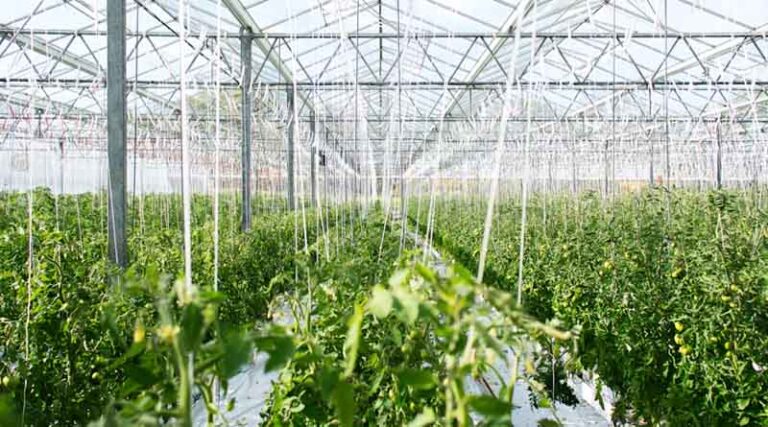
Loesen Farms, a 6 hectare greenhouse operation in Ruthven, Ontario, installed 80 cameras throughout its growing space starting in September 2025, roughly one camera for every 750 square meters of crop. The cameras run Fermata’s Croptimus platform, a computer vision and machine learning system that continuously photographs the crop canopy and automatically flags signs of pests, diseases, viruses and nutrient deficiencies. The company says the system can distinguish more than 20 separate categories of plant health problems from images alone, without a person walking the rows to look for them.
Traditional scouting in greenhouses relies on staff physically inspecting plants on a set schedule, often once or twice a week, checking the undersides of leaves and specific hot spots for early signs of trouble. Problems that appear between scouting visits can spread before anyone notices them. Croptimus is designed to close that gap by scanning continuously rather than on a schedule, generating heat maps that show growers where and how fast an issue is spreading across the greenhouse floor. If a grower wants to double check a flagged detection, the platform lets them pull up the original photograph the system used to make that call, rather than relying on a label alone.
By April 2026, Loesen Farms had phased out its routine manual scouting rotation and now relies on the camera network as its primary monitoring method, reserving staff time for targeted treatment once the system identifies a problem rather than for routine searching. Fermata’s own account of the deployment describes this as a shift from periodic spot checks to constant surveillance of the crop, a change the company argues reduces both labor costs and the chance that an outbreak is caught late.
Croptimus itself is not a brand new product. Fermata has been selling the platform since 2020 and it has already been installed at more than 60 sites across at least 10 countries, largely in greenhouse vegetables such as tomatoes, cucumbers and peppers, as well as ornamental crops. The system won the Technology award at the Fruit Logistica Innovation Awards in 2025. What is new is the scale and completeness of the Ontario deployment, and the company’s parallel push to expand beyond its established markets in Canada and the Netherlands. Fermata says it is now actively expanding into Greece and has started new pilot installations in the United Kingdom and Thailand, taking the platform into both new protected cropping regions and, with Thailand, a more tropical open field growing environment than its earlier greenhouse focused markets.
From spot checks to continuous surveillance
The commercial case for continuous AI monitoring rests on catching problems earlier than a weekly or twice weekly human inspection can. Pest and disease outbreaks in enclosed greenhouse environments can spread quickly once established, because humidity and temperature are often kept at levels that also favor pathogen growth. A camera network that flags an early cluster of affected plants gives a grower the chance to treat a small area rather than a large one, which can reduce both the amount of pesticide applied and the labor needed to apply it. Fermata’s pitch to growers is built around that logic, framing the cameras as a way to catch outbreaks while they are still small enough to manage cheaply.
The company was founded by Valeria Kogan, who holds a doctorate in bioinformatics and previously co-founded an AI platform for oncologists before moving into agricultural technology. Mobile access to the platform’s data lets growers and agronomy staff check greenhouse conditions remotely rather than needing to be on site to review scouting results, a feature the company has highlighted as it pitches the system to larger multi-site operations rather than single greenhouses.
Also Read: Mahindra Launches 50 HP Compact Harvester Harvest Yuva for Small Farms
Global Agriculture is an independent international media platform covering agri-business, policy, technology, and sustainability. For editorial collaborations, thought leadership, and strategic communications, write to pr@global-agriculture.com