18 November 2026, Geneva, CH: The World Health Organization and 21 governments have launched a joint call to slow the worldwide rise in obesity, committing to a 5% reduction in national obesity prevalence by 2030 through a package of food, school and health-system measures. The document, titled “Bending the curve by 2030”, was announced by WHO on 17 November and is being presented to governments, partners and communities at an online launch on 18 November.
Spain is leading the commitment alongside 20 countries that make up the first cohort of frontrunners under WHO’s acceleration plan to stop obesity: Bahrain, Barbados, Botswana, Brazil, Brunei Darussalam, Egypt, Eswatini, Ireland, Jordan, Malaysia, Mauritius, Mexico, Panama, the Philippines, Portugal, Seychelles, Slovenia, South Africa, Thailand and Uruguay. WHO says 34 countries now take part in the frontrunner programme overall. The call grew out of the Global Obesity Summit and Stocktaking held in Madrid from 26 to 28 October, which was hosted by Spain’s Ministry of Health and Ministry of Social Affairs together with WHO, UNICEF and the World Bank.
The scale of the problem frames the push. By WHO’s count, more than 1 billion people now live with obesity, roughly 1 in 7 people on the planet, including about 160 million children and adolescents. Adult prevalence has more than doubled since 1990, and among adolescents it has quadrupled. In 2025, for the first time, obesity overtook underweight as the most common form of malnutrition among children and adolescents aged 5 to 19, a reversal of the pattern that defined global nutrition policy for decades.
A package rather than a single fix
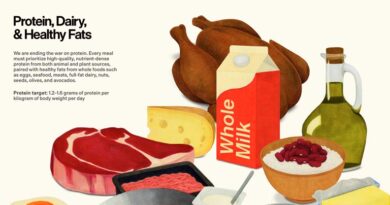
Instead of backing one intervention, the call asks countries to roll out a bundle of measures that WHO describes as proven. On the food side, these include taxes on sugar-sweetened beverages, front-of-pack nutrition labels that flag products high in sugar, salt or fat, and restrictions on marketing unhealthy foods to children. The package also covers support for breastfeeding and adequate complementary feeding (the gradual introduction of solid foods alongside breast milk) in the first years of life, healthier school environments, and policies that make everyday physical activity easier.
The health-system strand calls for stronger obesity prevention and care in primary health care, the first point of contact most people have with doctors and nurses, including pharmacotherapy “where appropriate”. The release does not single out any particular medicine, and treatment sits alongside prevention rather than replacing it. WHO describes obesity as both a form of malnutrition and a chronic, complex disease, and the call recognises people living with obesity as partners in designing the policies and services aimed at them.
WHO Director-General Dr Tedros Adhanom Ghebreyesus said the continued rise of obesity “is not inevitable”, and the agency pointed to early signs of progress, including potential initial declines in prevalence in some countries. Spain’s Minister of Health, Mónica García Gómez, said the commitment would be judged on whether its policies actually reach schools and communities, and she highlighted the aim of reducing childhood obesity by 5% by 2030. Dr Karen Sealey, a physician from Trinidad and Tobago with global health experience who sits on the board of the World Obesity Federation and lives with obesity, spoke for people with lived experience of the condition. WHO also stressed that no single solution will reverse the trend on its own.
Most of the food measures in the package work by acting on what is in products and how they are sold. Beverage taxes change the shelf price of sweetened drinks, labelling rules tie a visible warning to the sugar, salt or fat content of a product, and marketing limits restrict how certain foods can be promoted to children. Together they put food and drink manufacturers, retailers and school caterers in the signatory countries at the centre of national obesity plans, alongside health ministries.
The signatories span very different food systems, from major agricultural exporters such as Brazil and Thailand to small island states such as Barbados, Mauritius and Seychelles that rely heavily on imported foods. They also stretch from European Union members Ireland, Portugal and Slovenia to Gulf, North African and Southern African states including Bahrain, Egypt, Botswana and Eswatini, which means the same set of tools will be tested against very different diets, retail structures and levels of food import dependence.
The call builds on the WHO acceleration plan to stop obesity, which the World Health Assembly adopted in 2022 to help countries move faster on prevention and care. It follows WHO’s first global guidelines on child and adolescent obesity, issued on 7 October, and comes in a year when the agency’s World Health Day theme was “Together for health. Stand with science”, marked in more than 150 locations.
Global Agriculture is an independent international media platform covering agri-business, policy, technology, and sustainability. For editorial collaborations, thought leadership, and strategic communications, write to pr@global-agriculture.com