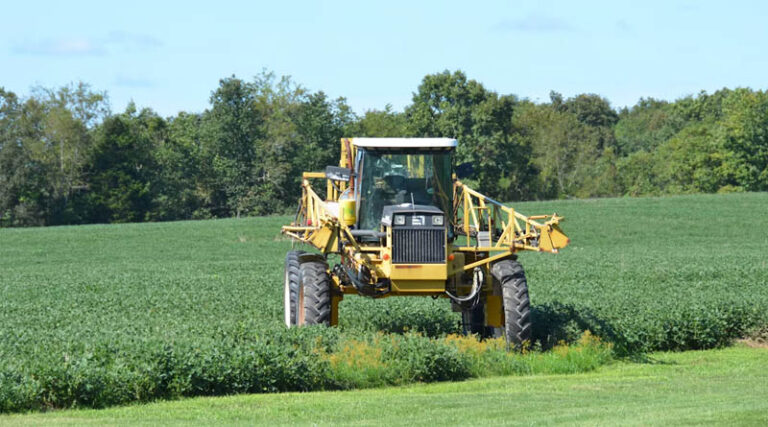
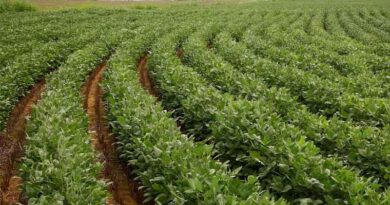
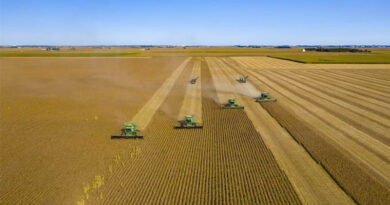
18 November 2026, Brasília, BR: Brazil’s national supply company, Conab, reported that planting of the 2026/27 soybean crop had reached 66.8 percent of the area farmers intend to sow, according to its weekly crop-conditions monitoring update released this week, with irregular rainfall and excess soil moisture in several states slowing early crop establishment even as drier conditions allowed faster progress elsewhere.
The weekly report, which Conab compiles from field observations across the country’s main growing states, found a familiar pattern this season: planting in Brazil’s center-west is largely complete or nearing completion, while unsettled weather in the south, where soybeans are planted later, is producing a more mixed picture from one municipality to the next.
In Mato Grosso, the country’s largest soybean-producing state, planting was reported as nearly complete, with the remaining unplanted area concentrated on sandy-soil plots. Conab said dry weather in Mato Grosso do Sul allowed planting to advance across most of the state, though scattered rain limited progress in its north and northeast regions. Rain supported planting progress in Goiás and Minas Gerais. In Paraná, most of the crop already in the ground was reported in good condition despite waterlogging, soil erosion and poor plant emergence in some areas, problems Conab attributed to the same bands of heavy rain that have moved through the state’s growing regions in recent weeks. Rio Grande do Sul saw planting speed up as moisture levels fell, before rain and hail later interrupted fieldwork and caused localised crop damage in parts of the state, forcing some growers to assess whether affected plots would need to be resown. Santa Catarina’s planting was restricted by high soil moisture and a delayed wheat harvest, since many growers there rotate soybeans into fields only after the previous wheat crop is off the ground, and progress in Piauí has stalled across most of the state for lack of rain.
Corn, rice and bean planting also under way
The same Conab report put first-crop corn planting at 51.2 percent of the area growers plan to sow nationally, with Paraná’s planting nearly finished. Rio Grande do Sul’s corn crop was hit by hail, strong winds and heavy rain that Conab described as causing irreversible damage and losses in some areas, where a bacterial disease was also recorded. In Santa Catarina, excess moisture, low light levels and nutrient leaching are limiting early corn growth. First-crop bean planting reached 44.3 percent of the planned area, with rain aiding progress in Minas Gerais, Goiás and Bahia, while growers in Paraná and Santa Catarina have had to replant some fields after earlier losses. National rice planting stood at 63.1 percent of the area planned, led by Rio Grande do Sul, which Conab says accounts for the bulk of Brazil’s rice output, much of it grown under irrigation in paddies along the state’s river valleys, and which had reached about 77 percent of its own planned area. Flooding in Paraná caused damage and forced replanting in some areas there as well.
Conab’s report also tracked the tail end of the 2025/26 wheat season, with 78.4 percent of the national wheat area harvested. In Rio Grande do Sul, yield and quality have varied from field to field, which Conab linked to rain, frost during flowering and low light levels during grain fill. Paraná’s wheat harvest is nearly finished, with yields and quality running below expectations, while Santa Catarina lost production to heavy rain and hail during the season. The wheat harvest has already concluded in Bahia, Goiás, Minas Gerais, Mato Grosso do Sul and São Paulo, rounding out a season Conab described as mixed across the country’s main wheat-growing states, with the heaviest losses concentrated in the southern states where rain and hail arrived during flowering and grain fill rather than after harvest, when crops are less vulnerable to weather damage.
Global Agriculture is an independent international media platform covering agri-business, policy, technology, and sustainability. For editorial collaborations, thought leadership, and strategic communications, write to pr@global-agriculture.com