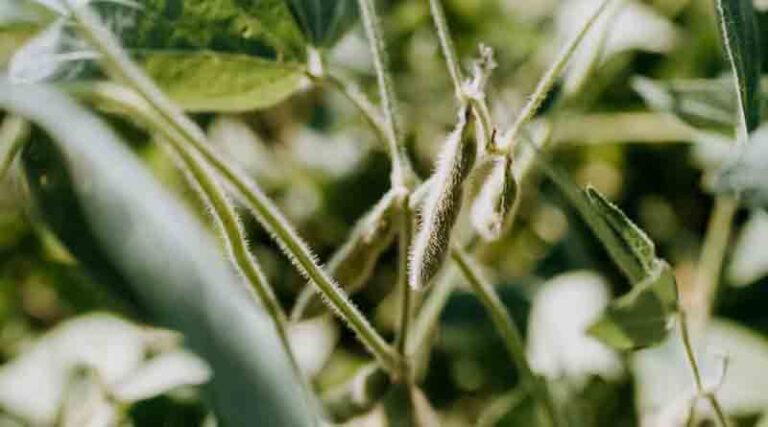
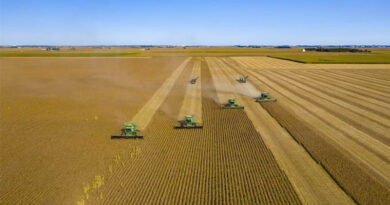
26 October 2026, Paraná, Brazil: Brazil’s Paraná state had been on track for its fastest soybean planting start in eight seasons, but persistent rain through October has slowed the pace sharply, leaving growers at 47% of the projected planting area by the third week of the month, behind the 52% planted at the same point a year earlier, according to data released by the state’s rural economy department Deral.
Deral’s bulletin said planting “advanced slowly across much of the state” during the period, a reversal from early October, when consultancies tracking the main producing states had reported planting running at its quickest pace in recent memory. The agency said fields planted before the rains generally show good germination and stand, but some areas are showing slower early development, uneven germination, and plant rot in spots where water pooled in low-lying fields. Paraná’s wheat crop, which shares the calendar with early soybean planting, has also been affected: the state had harvested 82% of its wheat area by the same point, with Deral citing weather-related delays, quality losses and reduced yield potential in the areas still to be brought in.
A Delayed Soy Crop Raises Risk for the Second Corn Crop
The slower pace matters beyond this season’s soybean crop itself. Paraná, like much of southern and central Brazil, relies on a tight double-cropping calendar in which soybeans are planted and harvested quickly enough to allow a second, or safrinha, corn crop to go into the ground while the rainy season still has enough moisture left to finish it.
Soybean planting generally reduces the climate risk faced by that second corn crop, meaning that every week lost to rain delays in October raises the odds that this year’s safrinha corn will be planted later than ideal, with greater exposure to a dry spell before harvest. The state has not yet quantified an expected yield impact, and conditions could still improve if the rain eases through late October and November, but agronomists tracking the crop will be watching planting progress bulletins closely over the coming weeks for signs of further slippage.
The episode is a reminder that even a record-fast start to planting can be undone quickly by weather, and that early-season momentum, while a useful signal, is not a reliable predictor of how a season will finish. Paraná is one of Brazil’s largest soybean-producing states, and Brazil as a whole is the world’s largest soybean exporter and grower, so delays of this kind, even relatively modest ones measured in percentage points of planted area, are watched closely by traders because they can shift expectations for harvest timing and, eventually, export availability months later.
Global Agriculture is an independent international media platform covering agri-business, policy, technology, and sustainability. For editorial collaborations, thought leadership, and strategic communications, write to pr@global-agriculture.com