16 March 2026, New Delhi: The India Meteorological Department has issued a weather alert warning of heavy rainfall, thunderstorms, lightning and gusty winds across several regions of India over the coming days, driven by multiple atmospheric systems including an active Western Disturbance.
According to the advisory issued by the Ministry of Earth Sciences, isolated heavy to very heavy rainfall is likely over Assam on March 15, with heavy rainfall continuing in parts of the Northeast until March 17. Arunachal Pradesh is also expected to receive heavy rainfall during the same period, while Mizoram may experience heavy rain on March 15.
The Northeast region has already witnessed significant rainfall over the past 24 hours, with heavy to very heavy precipitation recorded in Assam and heavy rainfall reported in Arunachal Pradesh. Hailstorms were also reported at isolated locations in Assam and Mizoram.
Thunderstorms and Hailstorms in Northern and Central India
The IMD forecast indicates that the current spell of thunderstorms accompanied by lightning, gusty winds and hailstorms will persist over the Western Himalayan region and adjoining plains on March 15.
States including Jammu & Kashmir, Himachal Pradesh, Uttarakhand, Punjab, Haryana, Delhi and parts of Uttar Pradesh may witness thunderstorms with wind speeds reaching 40–60 km/h.
In some areas, particularly Uttarakhand, squally winds may reach speeds of up to 70 km/h, accompanied by hailstorms on March 15 and 16.
The weather agency has also warned that thunderstorm activity with gusty winds will extend to eastern and adjoining central parts of India from March 16 to March 19, with peak intensity expected on March 16.
Regions likely to be affected include Bihar, Jharkhand, Odisha and Gangetic West Bengal, where hailstorms and strong winds could damage crops and infrastructure.
Fresh Western Disturbance Expected
Meteorologists have indicated that a fresh Western Disturbance is likely to affect northwest India from the night of March 17.
This system could trigger additional rainfall, thunderstorms and gusty winds across the Western Himalayan region and adjoining plains from March 18 onwards.
Scattered rainfall or snowfall is expected over the Western Himalayan region between March 15 and March 21, with isolated heavy precipitation possible in Jammu & Kashmir and Ladakh.
Weather Outlook for Other Regions
Central and eastern parts of India, including Madhya Pradesh, Vidarbha, Chhattisgarh and Jharkhand, are likely to experience scattered rainfall and thunderstorms between March 15 and March 20.
Thunderstorm activity is also expected in several parts of southern India, including Telangana, Andhra Pradesh, Karnataka, Kerala and Tamil Nadu.
Western India, including Maharashtra and parts of Rajasthan, may experience isolated light rainfall accompanied by thunderstorms and gusty winds until March 19.
Temperature Trends and Heatwave Warning
Despite the widespread weather disturbances, heatwave conditions were reported at isolated locations in Vidarbha during the past 24 hours.
Maximum temperatures reached between 38°C and 41°C across several regions including Rajasthan, Gujarat, Maharashtra, Madhya Pradesh and parts of southern India.
The highest temperature recorded on March 14 was 41.6°C in Akola, located in the Vidarbha region.
The IMD has forecast a fall in maximum temperatures by 3–5°C across northwest India over the next two days due to incoming weather systems. Central and eastern India are also expected to witness a gradual temperature decline later in the week.
Potential Impact on Agriculture
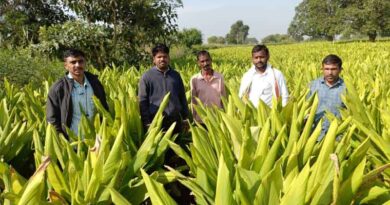
The weather agency warned that strong winds, hailstorms and heavy rainfall could damage standing crops, particularly horticultural and plantation crops. Banana, papaya and vegetable crops are especially vulnerable to wind and hail damage.
Excess rainfall may also lead to waterlogging and localized flooding in low-lying agricultural areas, while strong winds may damage power and communication infrastructure.
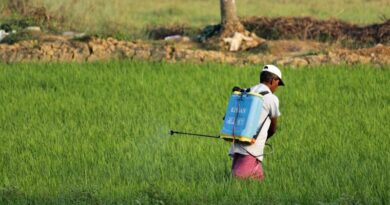
Farmers in regions expecting heavy rainfall have been advised to improve drainage in fields and move harvested produce to safe storage areas. In areas prone to hailstorms, the use of protective nets in orchards and vegetable farms has been recommended.
Authorities have also advised the public to remain alert to weather updates, avoid taking shelter under trees during storms and secure loose outdoor objects to prevent accidents caused by strong winds.
Global Agriculture is an independent international media platform covering agri-business, policy, technology, and sustainability. For editorial collaborations, thought leadership, and strategic communications, write to pr@global-agriculture.com