How to Control Bakanae Disease in Rice Nursery
Soil Drenching with Carbendazim + Mancozeb Helps Manage Bakanae Disease
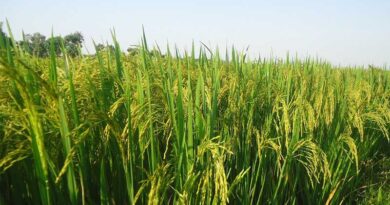
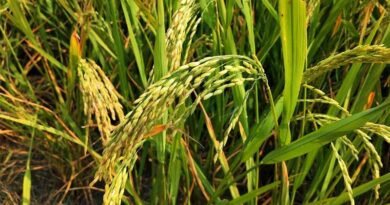
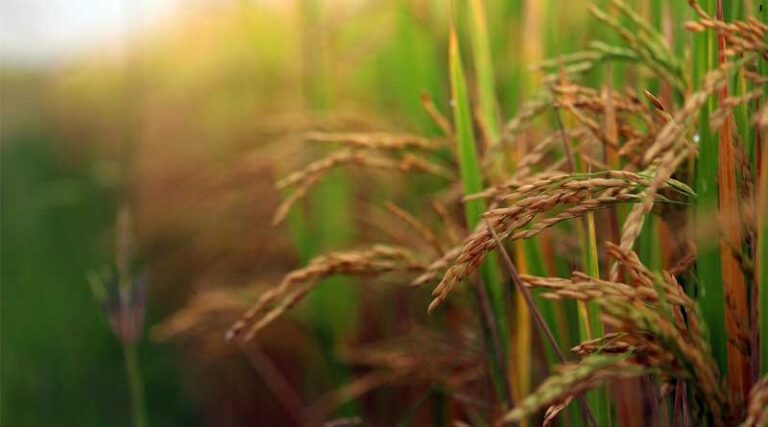
30 July 2026, New Delhi: Bakanae is an important fungal disease of rice that primarily affects seedlings in the nursery stage. Infected plants become unusually tall, weak, and pale green, eventually drying up or failing to produce healthy tillers. If left unmanaged, the disease can significantly reduce plant population and impact crop yield.
To manage Bakanae disease effectively in the nursery, farmers are advised to drench the nursery soil with Carbendazim 12% + Mancozeb 63% WP at the rate of 1.5 g per litre of water. This fungicide combination is widely used to suppress the disease-causing fungus and protect young seedlings during the critical early growth stage.
The treatment should be repeated after 7–10 days to ensure continued protection, particularly under favourable conditions for disease development such as high humidity and warm temperatures.
In addition to fungicide application, farmers should use certified disease-free seed, avoid excessive nitrogen application in the nursery, and maintain proper drainage to reduce the risk of infection. Timely monitoring and preventive management are essential for raising healthy rice seedlings.
Recommended Practice:
- Fungicide: Carbendazim 12% + Mancozeb 63% WP
- Dose: 1.5 g per litre of water
- Method: Drench the nursery soil thoroughly
- Repeat: After 7–10 days if required
Also Read: Bayer Launches New Insecticide Trance for Cotton in India
Global Agriculture is an independent international media platform covering agri-business, policy, technology, and sustainability. For editorial collaborations, thought leadership, and strategic communications, write to pr@global-agriculture.com