How to Control Brown Planthopper (BPH) in Rice
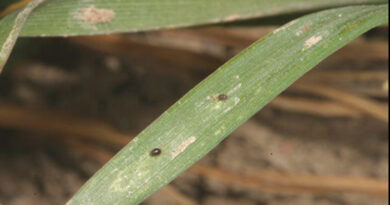
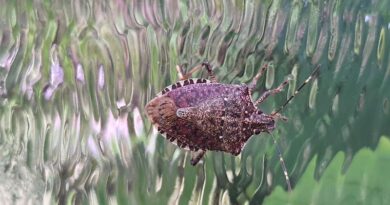
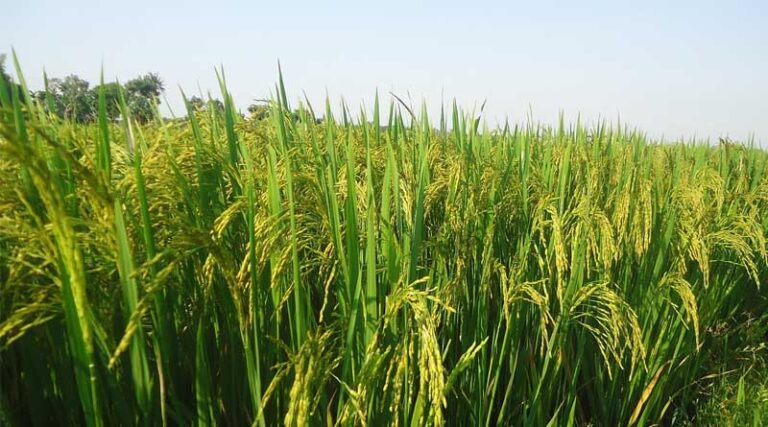
30 July 2026, New Delhi: Brown Planthopper (BPH) is one of the most destructive insect pests of rice, causing significant yield losses by sucking sap from rice plants. Farmers should regularly monitor their fields, and if the pest population exceeds the Economic Threshold Level (ETL) of 5–10 hoppers per hill, immediate management measures should be taken.
The first step is to modify the field’s microclimate by adopting the Alternate Wetting and Drying (AWD) technique. Avoid prolonged water stagnation in the field, as standing water creates favourable conditions for BPH multiplication. Allowing the field to dry intermittently helps reduce pest build-up and improves crop health.
If the infestation persists even after adopting AWD, spray any one of the recommended insecticides at the prescribed dose. These include triflumezopyrim 10% SC @ 94 ml/acre, pymetrozine 50% WG @ 120 g/acre, dinotefuran 20% SG @ 60–80 g/acre, thiamethoxam 25% WG @ 40 g/acre, ethofenoprox 10% EC @ 200–300 ml/acre, acephate 75% SP @ 400 g/acre, or fipronil 5% SC @ 400–600 ml/acre.
For effective coverage, use 200 litres of water per acre as the spray volume. Farmers should always use insecticides recommended for Brown Planthopper management and follow the label instructions regarding dosage, application method, and safety precautions.
Also Read: Bayer Launches New Insecticide Trance for Cotton in India
Global Agriculture is an independent international media platform covering agri-business, policy, technology, and sustainability. For editorial collaborations, thought leadership, and strategic communications, write to pr@global-agriculture.com