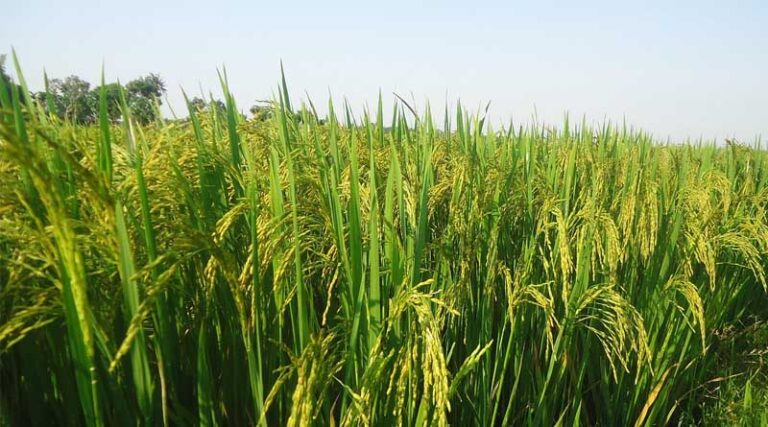
Stem Borer Management in Rice Nursery: Early Monitoring and Timely Control are Key
30 July 2026, New Delhi: Rice stem borer is one of the most damaging insect pests in rice cultivation, capable of causing significant yield losses if left unmanaged from the nursery stage. Early detection and timely intervention are essential to prevent the pest from spreading to the main field. Farmers are advised to adopt an integrated pest management (IPM) approach that combines monitoring with need-based application of insecticides.
Stem borer larvae bore into young rice plants, damaging the central shoot and causing the characteristic “dead heart” symptom in the vegetative stage. Since infestations often begin in the nursery, effective monitoring during this stage can substantially reduce pest pressure after transplanting.
Install Pheromone Traps for Early Detection
In nurseries where stem borer infestation is anticipated, the installation of Scirpolure pheromone traps is recommended for monitoring adult moth activity. At least three pheromone traps should be installed in every 200 square metre nursery. These traps attract male moths, helping farmers monitor pest populations and determine the need for control measures.
Regular inspection of the traps is essential. When four to five male moths are captured per trap, it indicates that the pest population has reached the economic threshold and control measures should be initiated immediately.
Recommended Control Measures
Once the threshold of four to five male moths per trap is reached, farmers may adopt any one of the following recommended control options:
- Spray Azadirachtin 0.15% (Neem Seed Kernel-based EC formulation) at 800 ml per acre.
- Broadcast Chlorantraniliprole 4% GR at 4 kg per acre.
- Apply Cartap Hydrochloride 4G at 10 kg per acre, mixed with sand in a 1:1 ratio for uniform broadcasting.
- Alternatively, spray Chlorantraniliprole 18.5% SC at 60 ml per acre using 200 litres of water.
Only one recommended insecticide should be used at a time, following the label instructions and ensuring proper application for effective pest management.
Adopt an Integrated Approach
Pheromone traps not only help in detecting stem borer populations early but also reduce unnecessary insecticide applications by ensuring treatments are applied only when economically justified. Combining regular monitoring with timely interventions helps protect rice seedlings, reduces pest carryover to the main crop, and supports sustainable rice production.
By following these recommendations, farmers can establish a healthy rice nursery and minimise stem borer damage before transplanting, laying the foundation for a productive crop.
Also Read: Bayer Launches New Insecticide Trance for Cotton in India
Global Agriculture is an independent international media platform covering agri-business, policy, technology, and sustainability. For editorial collaborations, thought leadership, and strategic communications, write to pr@global-agriculture.com