How to Control Green Leafhopper in Paddy
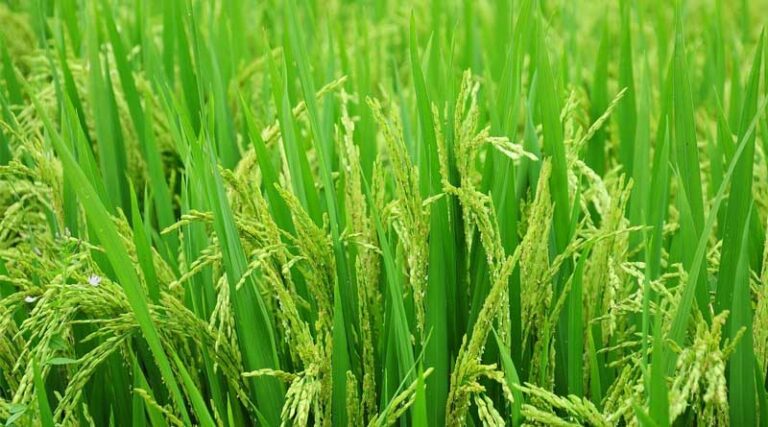
30 July 2026, New Delhi: As paddy cultivation has expanded to 16.6 million hectares (166 lakh hectares) during the ongoing kharif season, farmers are being advised to regularly monitor their fields for green leafhopper (GLH), a major insect pest that not only damages rice plants by sucking sap but also transmits the rice tungro virus disease. The ICAR-Central Rice Research Institute (ICAR-CRRI) has issued an advisory recommending insecticide application only when the pest population exceeds the Economic Threshold Level (ETL).
According to the institute, indiscriminate spraying of insecticides should be avoided, and control measures should be initiated only after regular field scouting confirms that the pest population has crossed the recommended threshold.
When should farmers spray?
ICAR-CRRI recommends insecticide application only when the green leafhopper population exceeds five insects per hill during the vegetative stage. In tungro-endemic areas, where the risk of virus transmission is higher, farmers should initiate control measures when the population reaches two insects per hill.
Recommended insecticides
Once the Economic Threshold Level (ETL) is crossed, farmers may use any one of the following insecticides:
- Azadirachtin 5% w/w @ 80 ml per acre
- Imidacloprid 17.8 SL @ 50 ml per acre
- Thiamethoxam 25 WG @ 40 g per acre
- Acephate (use the recommended label dose for the registered formulation)
The institute advises farmers to ensure uniform spraying for effective control and to follow the label recommendations regarding water volume and safety precautions.
Why early monitoring is important
Green leafhopper causes direct damage by feeding on plant sap, weakening rice plants and affecting their growth. More importantly, it acts as the primary vector of rice tungro disease, one of the most destructive viral diseases of paddy. Early detection and timely intervention can prevent both pest damage and disease spread, particularly in tungro-prone regions.
ICAR-CRRI has advised farmers to inspect their paddy fields regularly during the vegetative stage and adopt need-based pest management instead of routine insecticide applications. Following the Economic Threshold Level before spraying helps reduce unnecessary pesticide use, lowers production costs and promotes sustainable rice cultivation while protecting crop yield.
Also Read: Bayer Launches New Insecticide Trance for Cotton in India
Global Agriculture is an independent international media platform covering agri-business, policy, technology, and sustainability. For editorial collaborations, thought leadership, and strategic communications, write to pr@global-agriculture.com