High Yielding Paddy Variety: Pusa 44
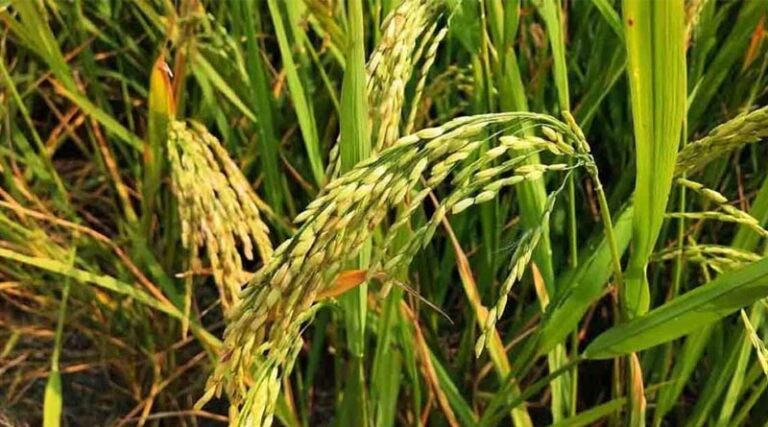
30 May 2026, New Delhi: Pusa 44 is a non-aromatic high yielding paddy variety developed at ICAR-IARI, New Delhi, and released in 1993 by CVRC. Though originally recommended for Karnataka and Kerala, Pusa 44 has become exceptionally popular in Punjab, where it has been adopted on a very large scale. It is well suited for combine harvesting and fits into the rice-wheat cropping system that is the dominant farming model across northern India.
Agronomic Characteristics
Pusa 44 is a high-yielding inbred variety tailored for the irrigated, high-input farming systems of north India. The variety is suitable for mechanical harvesting using combine harvesters, which is a significant practical advantage in large-scale farming operations in Punjab, where farm mechanisation is high. Its compatibility with combine harvesting reduces the time and labour required for harvesting, lowering overall production costs.
Popularity and System Compatibility
Pusa 44 is known for producing some of the highest yields among traditional inbred rice varieties under Punjab’s well-irrigated and intensively managed farming conditions. Its compatibility with the rice-wheat cropping system and combine harvesting have been major drivers of its wide adoption. However, given its longer maturity period, farmers are increasingly encouraged to consider shorter-duration alternatives such as Pusa Basmati 1509 to better fit the double-crop calendar.
Quick Reference Table
| Parameter | Details |
| Variety Name | Pusa 44 |
| Developed By | ICAR-IARI, New Delhi |
| Year of Release | 1993 (CVRC) |
| Type | Non-Aromatic, High Yielding |
| Grain Type | Non-Aromatic |
| Combine Harvesting | Suitable |
| Cropping System | Rice-Wheat System (Northern India) |
| State of Highest Popularity | Punjab |
| Originally Notified For | Karnataka, Kerala |
Global Agriculture is an independent international media platform covering agri-business, policy, technology, and sustainability. For editorial collaborations, thought leadership, and strategic communications, write