High Yielding Paddy Variety: Pusa Sugandh 5
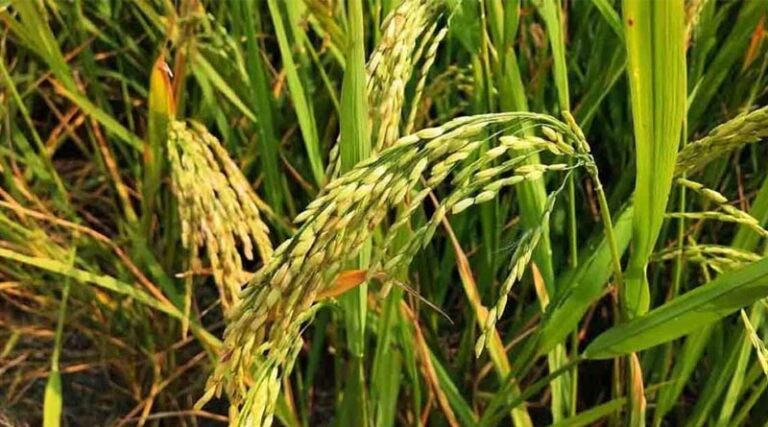
30 May 2026, New Delhi: Pusa Sugandh 5 is a highly productive, semi-dwarf aromatic high yielding paddy variety developed at ICAR-IARI, New Delhi, and released in 2004 by CVRC. It is recommended for the Basmati growing areas of Punjab, Haryana, Western UP, Uttarakhand, and Jammu & Kashmir. Renowned for its extra-long grains, excellent cooking quality, and suitability for multiple cropping systems in northern India, Pusa Sugandh 5 is a practical and profitable choice for farmers in the rice-wheat belt.
Designed for Multiple Cropping Systems
One of the defining advantages of Pusa Sugandh 5 is its short maturity duration of 120 to 125 days, which aligns perfectly with the demands of the rice-wheat cropping system. By harvesting the paddy crop earlier, farmers gain additional time for wheat land preparation and timely sowing, critical for optimising wheat yields. The variety also possesses good tolerance to grain shattering, reducing post-harvest losses.
Yield and Grain Quality
Pusa Sugandh 5 achieves an impressive average yield of 5.5 to 6.0 t/ha, placing it among the higher-yielding Basmati varieties for north India. It produces extra-long grains with excellent cooking quality — fragrant, separate, fluffy, and non-sticky cooked rice that commands premium prices in both domestic and export markets. This variety also serves as the parent for several important MAS-derived blast and bacterial blight resistant varieties, including Pusa 1592 and Pusa 1612.
Quick Reference Table
| Parameter | Details |
| Variety Name | Pusa Sugandh 5 |
| Developed By | ICAR-IARI, New Delhi |
| Year of Release | 2004 (CVRC) |
| Yield | 5.5–6.0 t/ha |
| Days to Maturity | 120–125 days (seed to seed) |
| Plant Type | Semi-dwarf |
| Grain Type | Extra-Long |
| Shattering Tolerance | Yes |
| Cooking Quality | Excellent |
| Aroma | Strong Basmati |
| Recommended States | Punjab, Haryana, Western UP, Uttarakhand, J&K |
Global Agriculture is an independent international media platform covering agri-business, policy, technology, and sustainability. For editorial collaborations, thought leadership, and strategic communications, write