High Yielding Paddy Variety: Pusa Basmati 6 (Pusa 1401)
30 May 2026, New Delhi: Pusa Basmati 6 (also known as Pusa 1401) is a high yielding paddy variety released in 2008 by CVRC for the Basmati growing regions of Punjab, Haryana, Western Uttar Pradesh, and Uttarakhand. Developed at ICAR-IARI, New Delhi, this variety was positioned as an improvement over Pusa Basmati 1121 in terms of yielding ability, agronomy, and cooking quality.
Improvements Over Pusa Basmati 1121
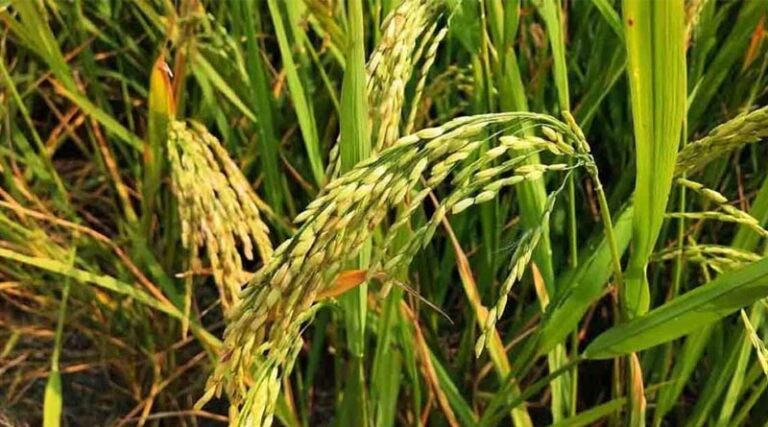
Pusa Basmati 6 achieves a higher yield potential and offers a semi-dwarf plant type with tolerance to lodging. One of the standout improvements is the low grain chalkiness — less than 4% of grains show any chalkiness — compared to higher chalkiness levels occasionally observed in Pusa Basmati 1121. This improvement in grain appearance directly translates to better prices in both domestic and international markets.
Grain Quality and Agronomic Profile
The variety produces grains with uniform shape upon cooking, along with a strong Basmati aroma. Grain chalkiness is below 4%, a key grading parameter in Basmati export standards. With an average yield of 5.0 t/ha and seed-to-seed maturity of 140–145 days, it is a well-rounded option for premium Basmati cultivation.
Quick Reference Table
| Parameter | Details |
| Variety Name | Pusa Basmati 6 (Pusa 1401) |
| Developed By | ICAR-IARI, New Delhi |
| Year of Release | 2008 (CVRC) |
| Yield | 5.0 t/ha |
| Days to Maturity | 140–145 days (seed to seed) |
| Plant Type | Semi-dwarf, Lodging-tolerant |
| Grain Chalkiness | < 4% |
| Cooking Quality | Uniform grain shape, strong aroma |
| Aroma | Strong Basmati |
| Recommended States | Punjab, Haryana, Western UP, Uttarakhand |
Global Agriculture is an independent international media platform covering agri-business, policy, technology, and sustainability. For editorial collaborations, thought leadership, and strategic communications, write