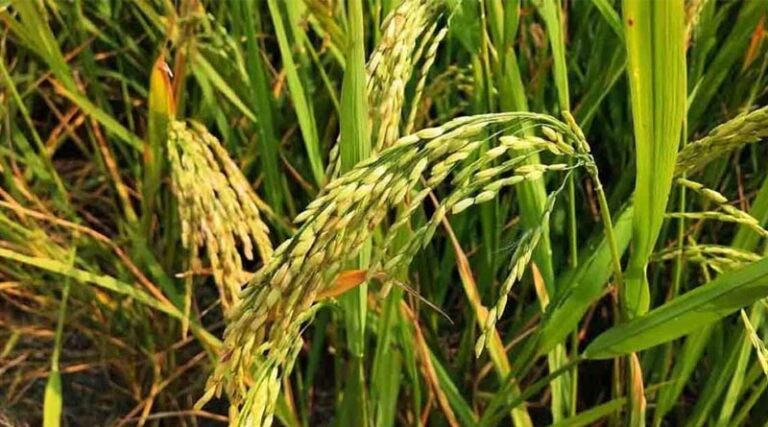
High Yielding Paddy Variety: Pusa Basmati 1609
30 May 2026, New Delhi: Pusa Basmati 1609 is a high yielding paddy variety released in 2015 by CVRC for the Basmati growing regions of Uttar Pradesh, Delhi NCR, Uttarakhand, and Punjab. Developed at ICAR-IARI, New Delhi, this variety holds the distinction of being the first Basmati rice variety ever developed by pyramiding blast resistance genes — a significant milestone in Indian Basmati rice breeding. It demonstrates resistance to neck blast and moderate resistance to leaf blast.
A Historic First in Basmati Breeding
Before Pusa Basmati 1609, no Basmati rice variety had been developed using the gene pyramiding approach specifically for blast resistance. By stacking multiple blast resistance genes within a Basmati genetic background, IARI scientists created a variety that robustly withstands one of the most unpredictable and yield-damaging diseases in rice cultivation. Neck blast can cause catastrophic yield loss by preventing grain filling, and resistance to this form is especially valuable for protecting yields under high disease pressure.
Yield and Maturity
Pusa Basmati 1609 achieves an average yield of 4.6 t/ha with a seed-to-seed maturity period of just 120 days, making it a practical choice for the rice-wheat cropping system, enabling timely field clearance and wheat sowing.
Quick Reference Table
| Parameter | Details |
| Variety Name | Pusa Basmati 1609 |
| Developed By | ICAR-IARI, New Delhi |
| Year of Release | 2015 (CVRC) |
| Yield | 4.6 t/ha |
| Days to Maturity | 120 days (seed to seed) |
| Disease Resistance | Resistant to Neck Blast; Moderate to Leaf Blast |
| Historical Distinction | First Basmati variety by blast resistance gene pyramiding |
| Aroma | Strong Basmati |
| Recommended States | Uttar Pradesh, Delhi NCR, Uttarakhand, Punjab |
Global Agriculture is an independent international media platform covering agri-business, policy, technology, and sustainability. For editorial collaborations, thought leadership, and strategic communications, write