28 August 2026, Stateline: A proposed use of glyphosate in post-wildfire forest restoration around Lake Tahoe has triggered strong opposition from community members, tribal representatives and local officials.
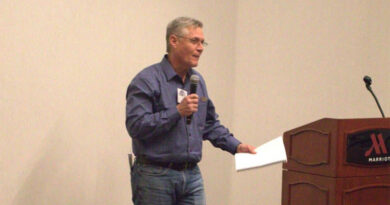
More than 100 people participated in a Tahoe Regional Planning Agency (TRPA) Environmental Improvement Program committee meeting on August 26, with more than 50 people speaking in person against the proposed herbicide use. The discussion focused on the U.S. Forest Service’s Lake Tahoe Basin Management Unit (LTBMU) Caldor Fire Restoration Project.
The restoration plan is intended to help forests recover from the Caldor Fire while improving resilience to future wildfire, drought, diseases and insect outbreaks. The project covers nearly 8,000 acres of the 2021 fire’s burn area.
Herbicide proposed as one restoration tool
According to the Forest Service’s environmental assessment and presentation to TRPA, natural forest regeneration is considered unlikely across approximately 4,900 acres of the burn scar. The agency is planning strategic reforestation across an estimated 2,400 to 3,600 acres beginning in 2028.
One potential management approach involves using herbicides to reduce dense shrub growth that can compete with or shade newly planted tree seedlings. Forest Service officials described herbicide treatment as one option within a broader restoration strategy rather than the sole method being considered.
The agency also outlined measures intended to limit environmental exposure. These include restricting glyphosate applications from June 1 through September 30, avoiding treatment before or after rainfall, establishing buffers around waterways and protecting milkweed areas with a 100-foot buffer.
The proposal calls for backpack application rather than aerial spraying, and does not include the use of aquatic herbicides. Near waterways, officials said more targeted techniques could be used, including treating cut stems rather than applying herbicide broadly.
Community raises environmental and health concerns
Public opposition centered on concerns about potential effects on wildlife, water, air quality and human health. Some speakers questioned reports of glyphosate detections in environmental samples, while others raised concerns about pesticide exposure among Forest Service employees who could conduct backpack applications.
Members of the Washoe Tribe also participated in the discussion, adding concerns related to wildlife and the broader ecological effects of herbicide use in the Tahoe region.
Opponents argued that restoration should prioritize approaches that do not rely on conventional herbicides. Protect Tahoe, an organization campaigning against glyphosate use, called for alternative forest regeneration and wildfire mitigation strategies.
Local officials also urged TRPA to consider the strength of public opposition. South Lake Tahoe Mayor and TRPA governing board member Cody Bass said the public comments represented an unusually strong response and encouraged the issue to receive further consideration by the full governing board.
No decision reached on glyphosate proposal
After more than five hours of discussion, including roughly four hours of public comments, the TRPA committee did not take formal action on the Caldor Fire Restoration Project.
Instead, committee members indicated they would seek additional information about the restoration plan and examine potential alternatives to conventional herbicide use before the proposed implementation period in 2028.
The debate highlights a broader challenge facing post-wildfire forest management: balancing the need for rapid ecological recovery and successful reforestation with concerns over pesticide use, environmental protection and community preferences.
Global Agriculture is an independent international media platform covering agri-business, policy, technology, and sustainability. For editorial collaborations, thought leadership, and strategic communications, write to pr@global-agriculture.com