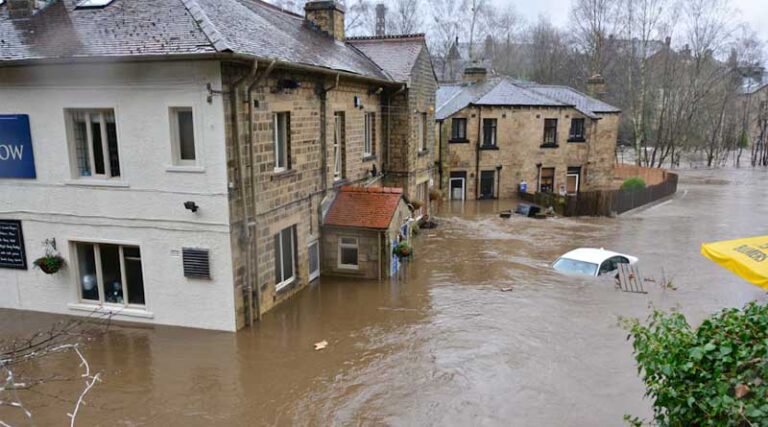
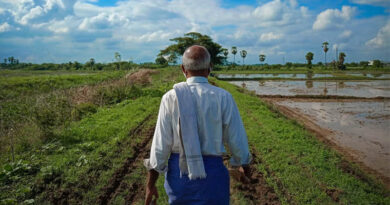
12 October 2026, Crete, Greece: Farmers on Crete’s Lasithi Plateau held a sit-in protest outside the local town hall on Sunday, demanding compensation and emergency aid after a week of extreme rainfall buried much of the region’s potato and vegetable land under water and mud, with growers estimating losses of 80 percent or more on the main crop just weeks before it was due to be harvested.
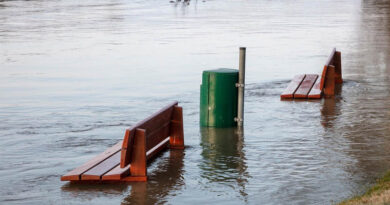
The protest, held outside the Lasithi Plateau Town Hall from 5 pm on October 11 and open to the wider local community, followed storms that hit the eastern Crete highland basin from October 1 to October 4, when the plateau, which sits roughly 840 metres above sea level, received around 440 millimetres of rain in two days, according to Thodoris Ninos, head of the Crete Development Organisation. Average rainfall across the four day storm period reached close to 470 millimetres, against a normal annual total for the area of 700 to 900 millimetres, meaning the plateau absorbed more than half a year’s typical rainfall in under a week.
Potato losses put at 80 percent or higher
Local producers estimate potato losses on the plateau at or above 80 percent, with vegetable crops down by roughly half, according to growers cited in local reporting ahead of Sunday’s protest. Separate reporting in the days immediately after the storm, citing local industry figures, put total produce losses at around 3,000 tonnes and said close to 85 percent of the cultivated plain had been affected, with fields that were days from harvest left covered in mud and water. Farmers say they have also lost the money already spent on field preparation, seed, fertiliser and labour for a crop that will now not be sold, compounding the direct loss of the harvest itself.
The protesters’ demands include full compensation for crop losses, activation of Greece’s ELGA agricultural insurance payouts and “de minimis” state aid schemes, tax relief for affected farmers, repair of agricultural roads and irrigation infrastructure damaged by the floodwaters, and new investment in flood prevention works on the plateau to reduce the risk of a repeat. The storm’s toll went beyond the Lasithi Plateau itself: an 80 year old livestock farmer was found dead after going missing in floods near Karines, in the Rethymno region, and across Crete’s four regional units, the fire service responded to 485 calls and carried out 96 floodwater pump-outs in the first days of the crisis alone.
Greece’s government has already begun responding at a technical level. The country activated the EU’s Copernicus Emergency Management Service to map flooded areas and assess damage, and a government delegation that included the ministers for Infrastructure and Transport and for Climate Crisis and Civil Protection, along with officials responsible for agricultural production and disaster recovery, visited the affected areas, including Lasithi, in the days after the storm. The municipality of Platanias, on the other side of the island, has said it will formally request a state of emergency for its own flood-hit area. What protesters say is still missing, as of Sunday, is a firm commitment on compensation amounts or a timeline for ELGA payouts to actually reach affected growers.
A preview of a wider climate risk for European horticulture
The scale of the Lasithi losses, coming from a single multi-day storm rather than a sustained drought or a slow-building weather pattern, illustrates how concentrated extreme rainfall events are increasingly capable of wiping out a season’s income for horticultural growers in a matter of days, even in regions with no prior history of flooding on this scale. Crete’s potato sector, though modest by European Union standards, supplies both the domestic Greek market and a portion of early-season exports, and a near total loss of the Lasithi crop will tighten regional vegetable supply through the autumn.
Global Agriculture is an independent international media platform covering agri-business, policy, technology, and sustainability. For editorial collaborations, thought leadership, and strategic communications, write to pr@global-agriculture.com