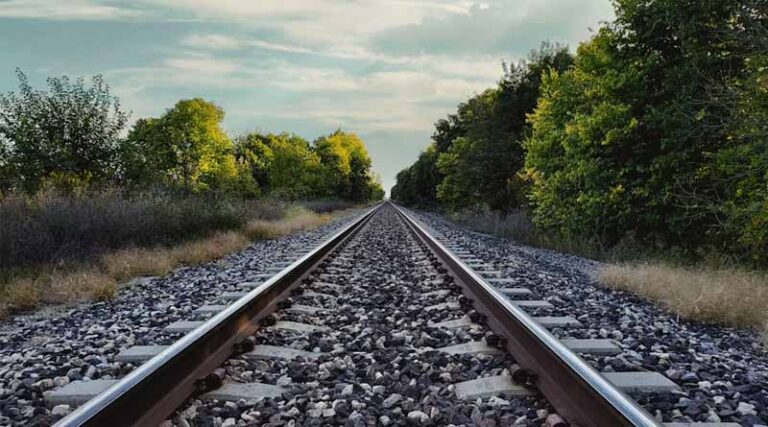
18 September 2026, Brussels: Objects deliberately placed on railway tracks at more than 20 locations across the Netherlands triggered dozens of signal failures on September 15, bringing large parts of the national rail network to a standstill on Prinsjesdag, the day King Willem-Alexander formally opened parliament and the government unveiled its 2027 budget. Dutch police are investigating the disruption as suspected sabotage, and while no arrests have been made and no injuries were reported, media reports have linked the timing to nationwide farmer protests against nitrogen emission rules that took place the same day.
Pipes, cables and other materials were found on tracks across the Utrecht, Gelderland and Overijssel regions, affecting lines connecting Amersfoort, Apeldoorn, Deventer, Zwolle and Meppel, with specific incidents recorded near Steenwijk, on the A2 motorway near Breukelen and on the A1 near Stroe. The materials caused automatic safety systems to display red signals and stopped trains from passing, leaving hundreds of thousands of commuters facing delays and cancellations during the morning rush.
Farmers say nitrogen rules threaten their livelihoods
The sabotage coincided with farmer demonstrations timed to the government’s budget announcement. Farmers and agricultural activists lit fires beside roads and staged blockades at several locations to protest a 20 billion euro nitrogen reduction programme aimed at cutting emissions from livestock farming and breaking a long-running deadlock over environmental permits. Farmer groups, including Agractie, argue the rules will impose costs that force smaller operations to close, even though environmental regulators have said agriculture accounts for the large majority of the country’s human-driven nitrogen emissions.
The Farmers Defence Force, one of the country’s most visible farm lobby groups, denied organising the rail sabotage but did not rule out that individual farmers acted alone. A spokesperson for the group, Sieta van Keimpema, described the mood among growers in blunt terms, saying farmers feel their businesses are, in effect, on fire. ProRail chief executive Mirjam van Velthuizen called for greater investment in contingency planning to make the rail network more resilient to this kind of disruption, whoever turns out to be responsible. Dutch police have said they have not established a confirmed link between the railway sabotage and the farmer demonstrations, and the investigation remains open.
The protests followed a report published on September 4 by the Netherlands Environmental Assessment Agency, which found that the government’s nitrogen programme would still fall short of 2035 ecological targets, with deposition levels likely to exceed critical thresholds on more than half of the country’s protected nature sites. The agency recommended an across-the-board reduction in livestock permits of 5 to 10 percent. Agriculture Minister Jaimi van Essen has already rejected broader livestock cuts as a “no-go,” setting up a continued standoff between the farm lobby and environmental regulators heading into 2027 budget negotiations.
A test case other countries are watching closely
The Netherlands has one of the most nitrogen-intensive farming systems in the European Union relative to its land area, and its nitrogen dispute has become a reference point for similar tensions elsewhere in Europe, including recent farmer protests in Denmark over comparable emission rules. How the Dutch government balances ecological targets against livestock sector viability, and whether it can do so without further unrest, will shape the template other EU capitals use as Brussels pushes member states toward tighter nutrient management rules under the bloc’s broader environmental agenda.
Global Agriculture is an independent international media platform covering agri-business, policy, technology, and sustainability. For editorial collaborations, thought leadership, and strategic communications, write to pr@global-agriculture.com