Punjab Farmers Block Rail Tracks at Five Sites Over MSP Guarantee
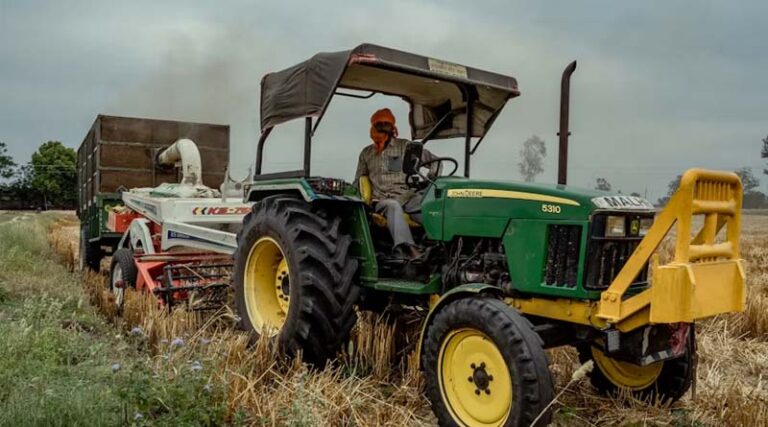
18 September 2026, Punjab: Farmers under the banners of the Kisan Mazdoor Morcha and the Kisan Mazdoor Sangharsh Committee blocked railway tracks at five locations across Punjab this week, including Gurdaspur, Amritsar, Moga, Firozepur and Sangrur, renewing pressure on the state and central governments to legislate a guaranteed minimum support price for crops. The blockades, which began around September 15 and were still drawing farmer participation as of September 17, mark a second wave of agitation in Punjab within a matter of weeks, following an earlier round of protests led by a different farmer coalition that ended with the state government agreeing to some demands in early September.
The two unions behind this week’s action are pressing for a legal guarantee of MSP on a wider list of crops than has typically been covered, including basmati rice, mustard, potatoes, moong and maize, alongside debt relief for both farmers and agricultural labourers. They are also demanding withdrawal of Punjab’s land pooling policy, which the state has used to acquire farmland for infrastructure projects, a comprehensive crop insurance scheme, and the withdrawal of criminal cases filed against farmers and labourers during earlier rounds of agitation. Separately, protesters are seeking compensation and government jobs for the families of demonstrators who died during previous border protests at Shambhu and Khanauri, and want the state to work with farmers on alternatives to burning paddy stubble ahead of the winter wheat sowing window.
Farmer leader Germanjit Singh Bandala, speaking on behalf of the protesting unions, said the grievances being raised have persisted for a long time and that cases registered against farmers and labourers during past agitations should be withdrawn without conditions. Police and district administration officials have engaged in talks with farmer representatives at the blockade sites, though no formal government response to the specific demands has yet been documented.
A pattern of rolling protests, not a single flashpoint
This week’s action follows a separate, larger protest earlier in September led by the Samyukt Kisan Morcha and roughly 32 farmer organisations, which held a week-long sit-in at the Chandigarh-Mohali border from September 1 to 7 and secured a state government commitment on MSP guarantees for 22 crops, a one-time debt settlement, and legislative movement on electricity and seed issues. That protest ended with farmer leader Balbir Singh Rajewal calling the state’s concessions unprecedented, and the broader coalition shifted its attention toward unresolved water-sharing disputes with neighbouring states rather than immediate new demonstrations.
The rapid return of a fresh, separately organised blockade within days of that settlement illustrates how fragmented and persistent Punjab’s farm protest movement has become since the original 2020 to 2021 agitation against the now-repealed farm laws. Different unions are pursuing overlapping but distinct grievance lists, and settlements reached with one coalition do not necessarily satisfy others, meaning rail and road disruption in Punjab is likely to recur through the rest of the year, particularly around the paddy procurement season now underway and the run-up to wheat sowing.
Global Agriculture is an independent international media platform covering agri-business, policy, technology, and sustainability. For editorial collaborations, thought leadership, and strategic communications, write to pr@global-agriculture.com