India’s Potato Story Needs a Rethink: From a Staple Crop to a Strategic Industrial Commodity
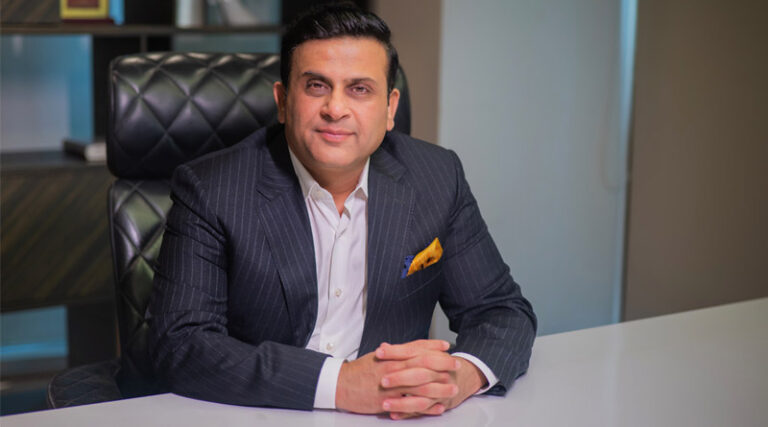
Guest Author: Mr. Haresh Karamchandani, MD & Group CEO, HyFun Foods
19 September 2026, New Delhi: For decades, the potato in India has been viewed largely as a staple crop, affordable, widely consumed and grown across the country. But its economic role is changing. India produced 58.57 million tonnes of potatoes in 2024-25, according to the Government of India. The bigger opportunity now is not simply to grow more, but to create greater value from what we already produce.
Potatoes are becoming an increasingly important industrial raw material for food processing. The growth of quick-service restaurants, organised foodservice, modern retail and convenience-led consumption is driving demand for French fries, wedges, hash browns and other ready-to-cook formats. India’s frozen potato products market was valued at around US$2 billion in 2025 and is projected to reach approximately US$4.5 billion by 2034.
This shift changes the conversation around the crop. Production and prices will always matter, but the next phase of growth will depend on what happens after the potato leaves the farm, how it is grown, stored, processed and moved through the value chain.
An industrial potato is also different from one destined for the fresh market. Processing requires consistency in size, dry matter, colour, texture and sugar levels. This makes varietal selection, quality seed and farm-level practices critical. It also creates an opportunity for farmers to move from unpredictable spot-market dependence towards more organised supply chains.
Planned procurement and contract farming, when transparent and fairly structured, can give farmers greater visibility on demand and quality requirements. Access to better planting material and agronomy support can improve yields and quality, while processors benefit from a more reliable supply of suitable raw material. The result is a stronger connection between the farm and the final consumer.
The opportunity is increasingly global. India exported around 172,444 tonnes of frozen French fries in 2024, nearly 49% more than the previous year, with exports valued at approximately US$200 million. But competing globally requires more than competitive pricing. International buyers expect consistent quality, food safety, traceability and dependable supply.
Infrastructure will therefore be critical. Cold storage has played a significant role in India’s potato ecosystem, but the next step is to build a more integrated chain connecting farms, storage, processing and transportation. Technology can strengthen this further through crop forecasting, digital farm advisory, traceability and data-led procurement.
There is also significant potential beyond French fries. Potato starch, flakes, dehydrated products and other ingredients have applications across food manufacturing, opening up new avenues for value creation.
India’s potato story should therefore be viewed through a wider lens. The question is no longer simply how much potato we can grow, but how efficiently we can convert that crop into higher-value products, better farmer returns and globally competitive food businesses.
Treating the potato as a strategic industrial commodity does not diminish its importance as a staple. It recognises its potential to become something more: a vital link between Indian agriculture and the country’s rapidly evolving food economy.
Also Read: CropLife India Flags Narrowing Crop Protection Options for Farmers
Global Agriculture is an independent international media platform covering agri-business, policy, technology, and sustainability. For editorial collaborations, thought leadership, and strategic communications, write to pr@global-agriculture.com