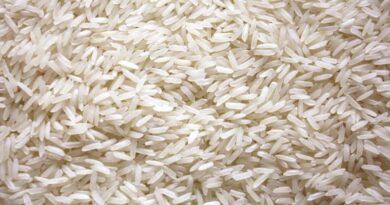
India’s Designer Rice Enters the Fitness Conversation: High-Protein Staple Gains Global Attention Among Gym Communities
06 April 2026, New Delhi: A new food innovation from India is beginning to find relevance beyond traditional nutrition and agriculture discussions, this time among global fitness communities. Developed by CSIR–National Institute for Interdisciplinary Science and Technology (CSIR–NIIST), designer rice offers a nutritionally enhanced version of a staple food, with higher protein content and improved metabolic response.
Rice has long been a foundational carbohydrate in gym diets worldwide, particularly for athletes and fitness enthusiasts looking for quick energy and post-workout recovery. However, conventional white rice is typically low in protein and micronutrients, which limits its role in balanced, performance-oriented nutrition.
A Staple Carb with Added Protein Value
The designer rice developed in India aims to shift this perception by significantly improving protein content, reportedly up to three times higher than conventional rice while maintaining its familiarity in daily diets.
Based on standard nutritional values, 100 grams of cooked rice generally provides around 2.5 to 3 grams of protein. Applying the reported enhancement, designer rice is estimated to deliver approximately 7.5 to 9 grams of protein per 100 grams when cooked. This positions it as a more balanced carbohydrate source that can contribute meaningfully to daily protein intake, particularly in high-carb diets.
Nutrient Profile: India’s Designer Rice vs Conventional Rice (Estimated, Cooked Basis – per 100 g)
| Nutrient / Attribute | Conventional Rice | India’s Designer Rice (Estimated) | Functional Benefit |
|---|---|---|---|
| Protein | 2.5 – 3.0 g | 7.5 – 9.0 g | Supports muscle recovery and daily protein intake |
| Glycaemic Impact | High | Lower | Better blood sugar control and sustained energy |
| Iron | Low | Enhanced | Supports haemoglobin and endurance |
| Folic Acid | Minimal | Fortified | Important for cell function and recovery |
| Vitamin B12 | Absent | Fortified | Supports energy metabolism and nervous system |
| Carbohydrate Digestibility | Rapid | Moderated | Slower glucose release |
| Nutritional Role | Energy-focused staple | Functional staple (energy + nutrition) | Improves overall diet quality |
For gym-focused consumers, this shift is significant. While rice will continue to serve as a primary carbohydrate for glycogen replenishment, its enhanced protein profile allows it to play a secondary role in muscle recovery and daily protein intake. It does not replace core protein sources such as meat, dairy, or plant-based proteins, but it improves the overall nutritional efficiency of meals built around rice.
Lower Glycaemic Impact and Energy Stability
Another key feature of the designer rice is its lower glycaemic response compared to traditional white rice. This means carbohydrates are digested and absorbed more gradually, which can help maintain more stable energy levels, an important factor for individuals managing training intensity, body composition, or metabolic health.
For fitness communities increasingly focused on controlled carbohydrate intake and sustained energy release, this characteristic adds to the product’s appeal.
Micronutrients Supporting Performance
In addition to protein, the rice is fortified with micronutrients such as iron, folic acid, and vitamin B12. These nutrients are associated with oxygen transport, energy metabolism, and recovery—areas that are gaining more attention in performance nutrition.
For example, iron plays a role in endurance and fatigue management, while vitamin B12 supports energy production and neurological function. When integrated into a staple food, these nutrients can contribute to overall dietary adequacy without requiring additional supplementation.
From Indian Innovation to Global Potential
The technology is being prepared for commercialisation through partnerships with Tata Consumer Products Limited and SS Soul Foods, indicating early movement toward scale.
For the global fitness and health food market, this reflects a broader trend: the shift from isolated supplements toward everyday functional foods. Instead of relying solely on protein powders or fortified snacks, consumers are increasingly looking for nutritional improvements in the foods they already consume daily.
Where It Fits in a Gym Diet
In practical terms, designer rice is likely to function as a complementary addition to structured diets. Its enhanced protein content can help close small nutritional gaps, particularly in high-carb meal plans or vegetarian diets where protein density is often lower.
For gym enthusiasts consuming rice regularly, even incremental increases in protein intake across multiple meals can contribute to overall daily targets. Combined with its lower glycaemic impact, this positions designer rice as a more efficient staple rather than a replacement for traditional protein sources.
A Changing View of Staple Foods
While developed in India, the relevance of designer rice extends globally, particularly in regions where rice remains central to dietary patterns. It also reflects a wider shift in how staple foods are being re-engineered to align with modern health and fitness expectations.
As nutrition science continues to intersect with everyday eating habits, innovations like designer rice suggest that performance-oriented diets may increasingly be built not just around supplements, but around improved versions of traditional foods.
Also Read: India: Telangana Imposes 60-Day Ban on Paraquat Herbicide Over Safety Concerns
Global Agriculture is an independent international media platform covering agri-business, policy, technology, and sustainability. For editorial collaborations, thought leadership, and strategic communications, write to pr@global-agriculture.com